SENSORS

Offshore Sensor Solutions

Sensor expertise across weather, wave, motion and visibility monitoring.

In offshore operations, reliable data starts with dependable sensors. At WISE Group, we specialise in delivering high-performance sensor solutions that form the backbone of real-time monitoring systems across weather, oceanographic, motion, and visibility domains.

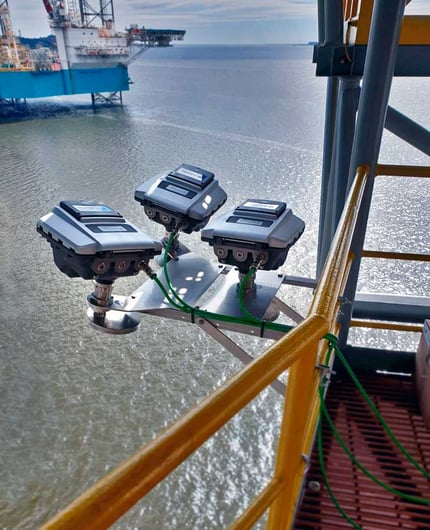
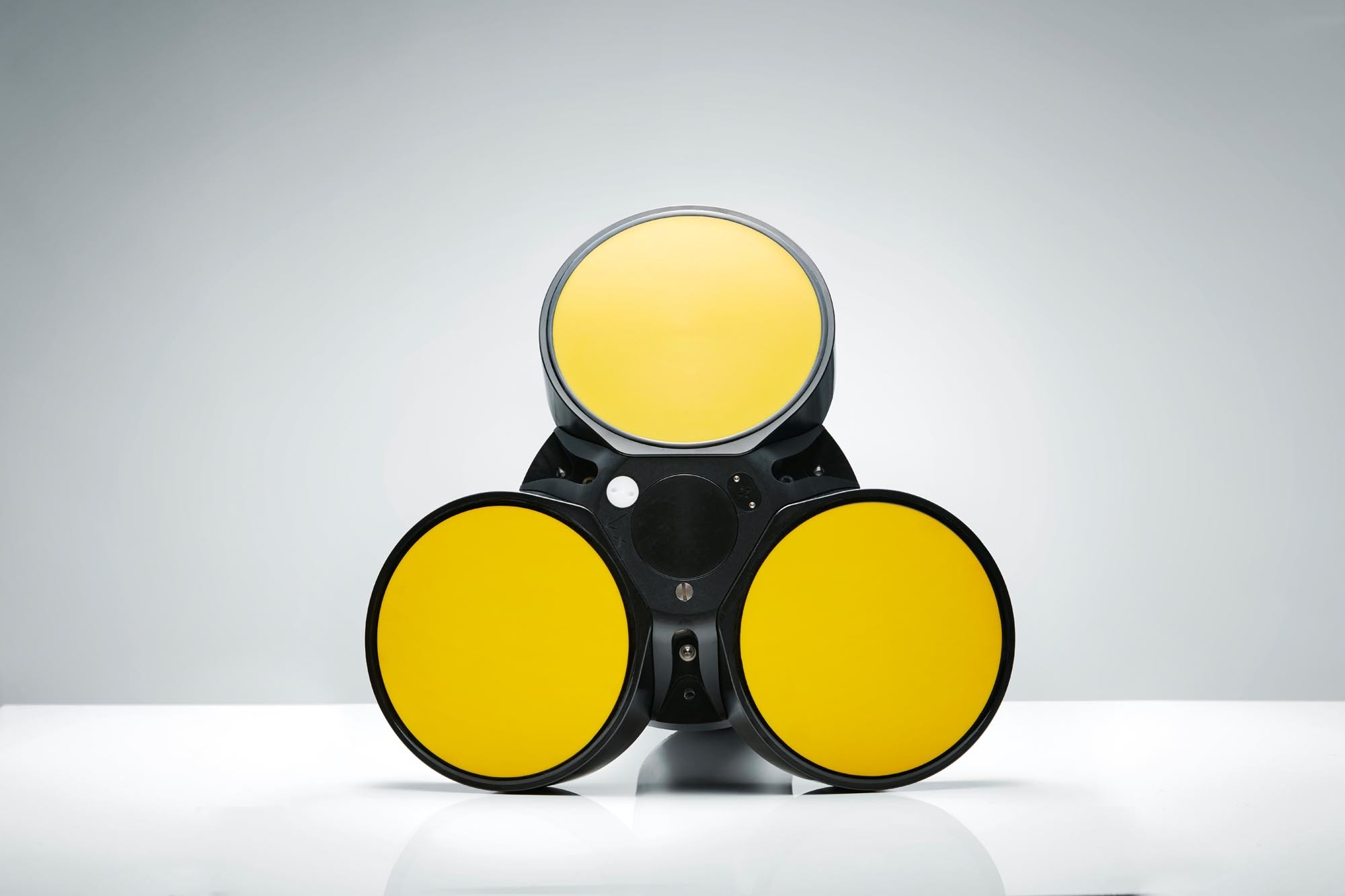
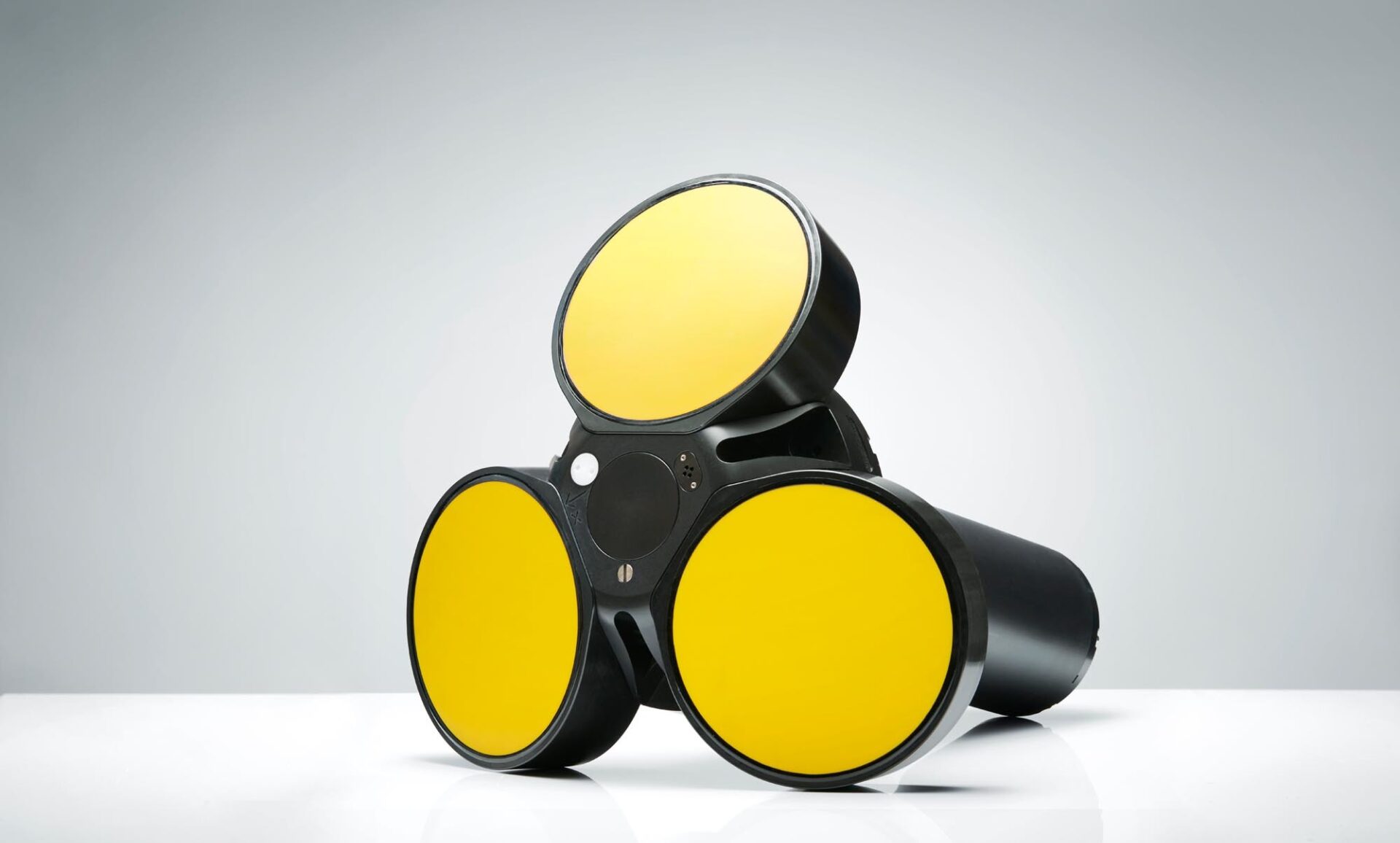
Wave radar sensors mounted on the underside of an offshore platform

We are not just a system integrator, we are sensor experts. Our team has extensive experience selecting, deploying, and maintaining sensors from the world's leading manufacturers. We understand how to configure complex multi-sensor setups and ensure their long-term performance in harsh offshore environments.

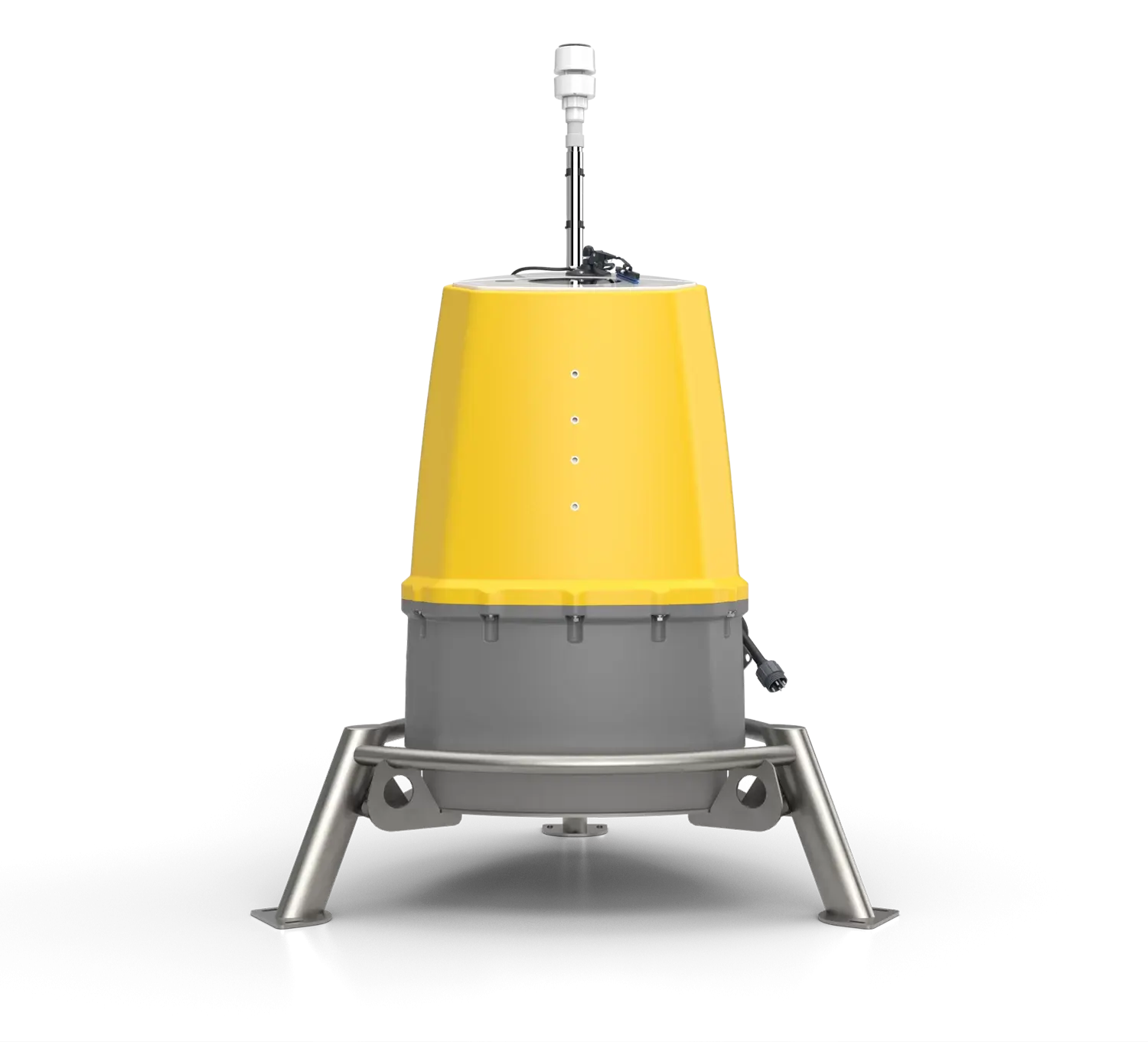
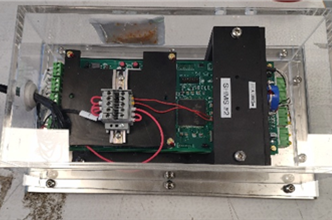
We also design and manufacture our own advanced motion sensor: the WISE AIM. Built on a multi-IMU architecture with high-fidelity accelerometers and tilt sensors, AIM delivers class-leading performance for structural monitoring, vessel motion tracking, and helideck safety. These sensors are embedded into many of our systems, trusted by offshore wind developers, vessel operators, and energy companies worldwide.

From weather stations and current profilers to ADCPs and LIDAR visibility sensors, our sensor catalogue supports:

  • Compliance with CAP 437, WMO, ISO and offshore classification standards
  • Redundancy, precision, and stability over long-term deployments
  • Seamless integration with SCADA, EMS, HMS and digital twin platforms

Whether you need to measure wind on a helideck, wave height from a platform, or motion on a floating wind foundation, we provide the technology, expertise and lifecycle support to ensure accurate and reliable data.

Choose a sensor type

Pick the measurement you need — each one leads to the sensors we supply, install and maintain.

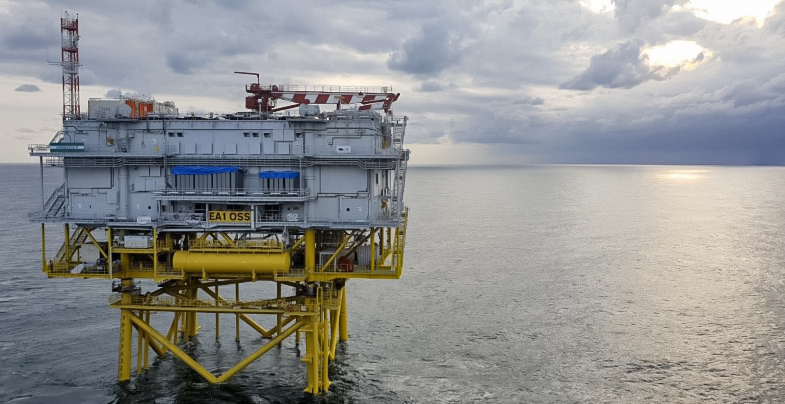
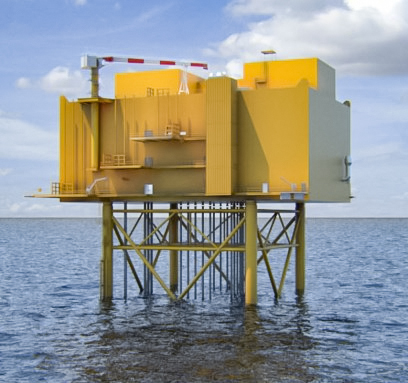
Offshore platform of the type WISE Group weather stations are installed on

Meteorological Sensors

Measure temperature, humidity, pressure, and precipitation to support environmental compliance and weather forecasting.

Pressure is what a helicopter's altimeter is set against, as QNH at sea level and QFE at deck level, so an error here misplaces the deck in the pilot's instruments. Temperature and humidity decide icing risk, how much a helicopter can lift on a warm day, and the heat stress on people working outside.

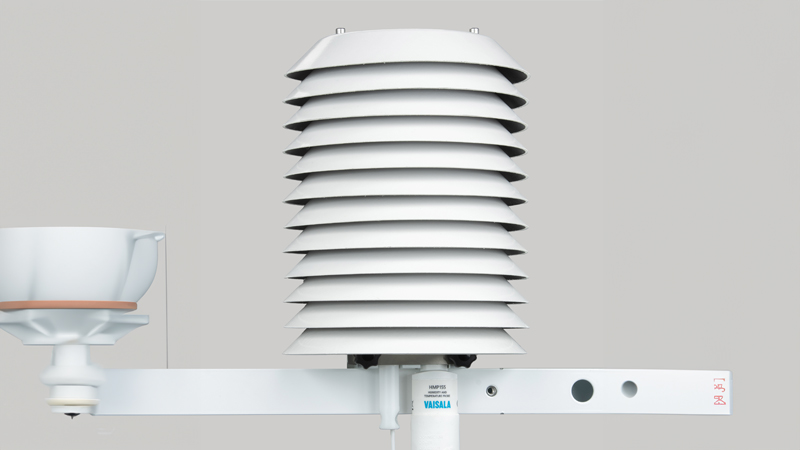
  • Air temperature & humidity sensors – High-accuracy sensors with shielded enclosures; ATEX versions available.
  • Barometric pressure sensors – Optimised for offshore use with pressure chokes to reduce wind artefacts.
  • Rain and solar sensors – Add-on capabilities for complete EMS packages.

Learn more → Meteorological Sensors

Wind Sensors

Capture wind speed and direction data essential for helideck safety, offshore wind, and general marine operations.

Almost every offshore decision carries a wind limit. Helicopters have crosswind and gust limits before a deck is closed, crane lifts stop at a defined speed, and a walkway to a wind turbine only connects inside a safe window. On a moving vessel the sensor also feels the vessel's own motion, so true wind has to be computed from the measured relative wind, the heading and the speed over ground.

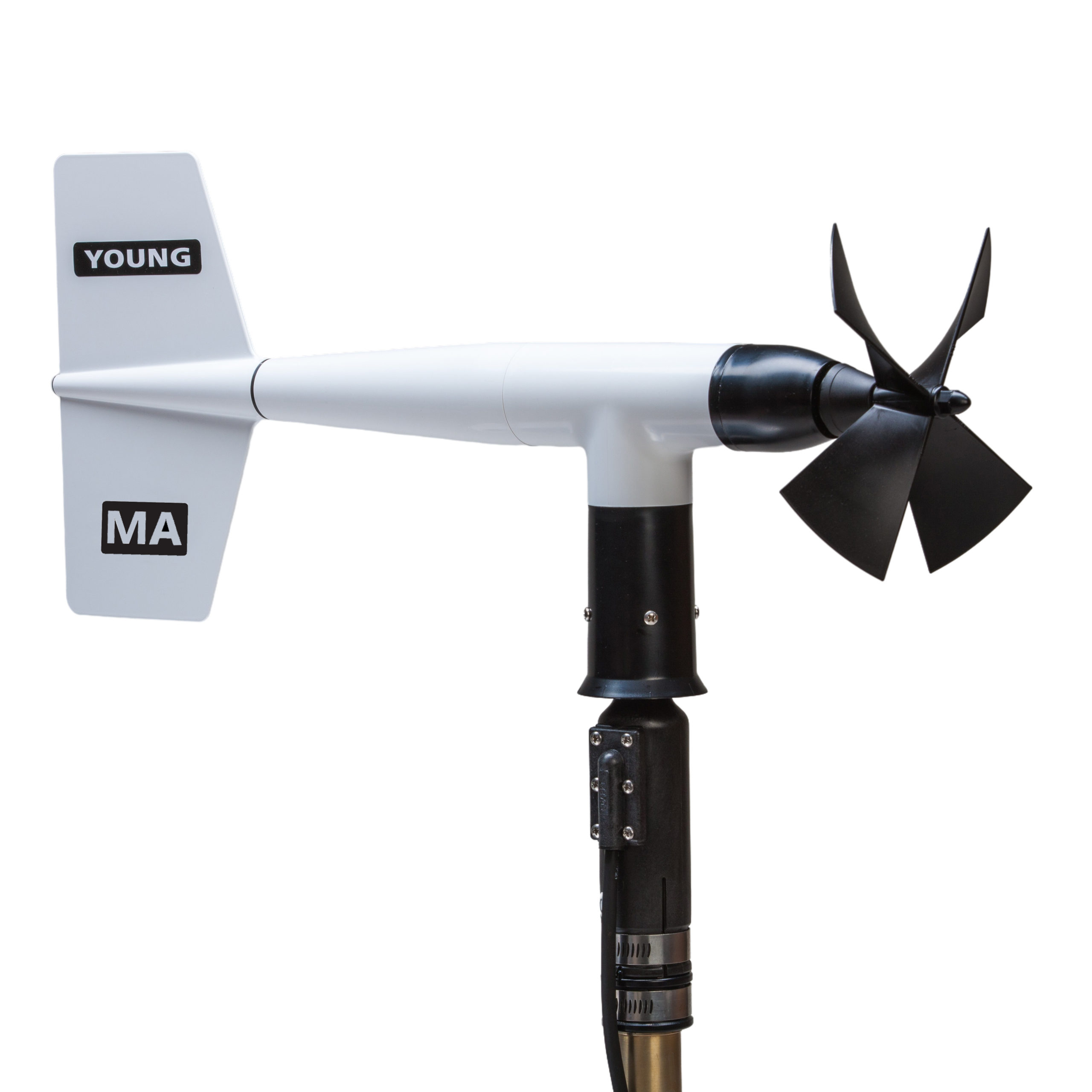
  • Mechanical sensors – Cup and propeller types with marine durability and ATEX options.
  • Ultrasonic sensors – Maintenance-free and reliable across a wide range of environments.
  • LIDAR – Used for vertical wind profiling in wind energy and aviation.

Learn more → Wind Sensors

ZX 300M wind lidar unit
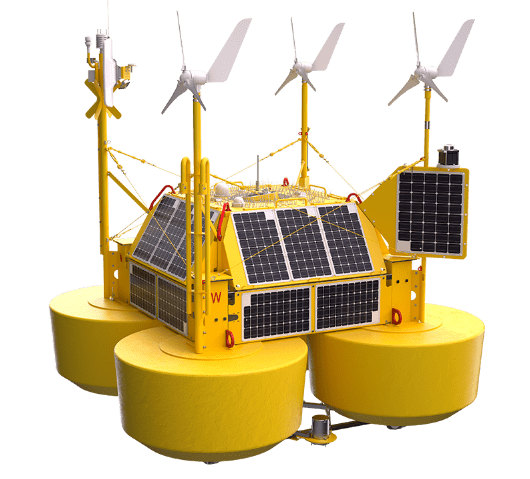
Floating wave measurement buoy

Wave Sensors

Monitor wave height, period, and direction to support safe marine operations and structural analysis.

Wave height and period decide whether a crew can step across to a turbine, whether a lift over the side is safe, and how a floating installation will behave through the night. Period matters as much as height: a two-metre swell with a long period moves a vessel very differently from a two-metre wind sea.

  • WISE AIM Wave Buoy Sensor – Compact, high-performance MEMS buoy for real-time wave data.
  • Wavesat (Downlooking Radar) – Radar mounted under platforms for non-intrusive, real-time wave tracking.

Learn more → Wave Sensors
WISE AIM Wave Buoy →

Current Sensors & Deployment Systems

Profile underwater currents for mooring analysis, positioning, and environmental monitoring.

Current loads risers, moorings and anchor lines, pushes a vessel off station, and sets the working window for divers and ROVs. Knowing the whole profile rather than a single surface reading is what tells you whether the force is at the top of the water column or deep down against the structure — and the water tens of metres down can be running in a quite different direction from the surface. That difference tells most during an offloading operation: a tanker coming alongside an FPSO is handled on the current where the tanker is, which is not necessarily the current at the FPSO's own hull.

  • Single-point and multi-depth (ADCP) sensors from top-tier brands.
  • Deployment systems – Winches, davits, and frames designed for DNV-class offshore operations.

Current Sensors →
Deployment Systems →

Acoustic Doppler current profiler head
WISE Group AIM motion sensor unit

Motion Sensors

Track structural and vessel movement across six degrees of freedom.

A helideck on a floating rig or vessel is a moving target, and a pilot needs to know how much it is moving before committing to land — which is why deck motion is reduced to a single severity index under CAP 437 rather than left as six separate figures. The same measurements tell the crew how the deck will behave for a lift, a transfer, or a rising sea state.

  • Motion Sensor – AIM – WISE Group's proprietary motion sensor for structural and vessel monitoring.
  • IMUs and inclinometers – Industry-standard motion reference units for dynamic positioning and helideck safety.

WISE AIM →
All Motion Sensors →

Optical & Visibility Sensors

Ensure safe aviation and marine operations by measuring visibility, cloud height, and present weather conditions.

Visibility is a go/no-go number in every helicopter weather report, and it governs marine work alongside it. Because it changes so quickly it is measured continuously rather than judged by eye, so everyone is working from the same figure at the same moment. Offshore that figure moves fast — a bank of fog can take a deck from clear to closed inside a few minutes.

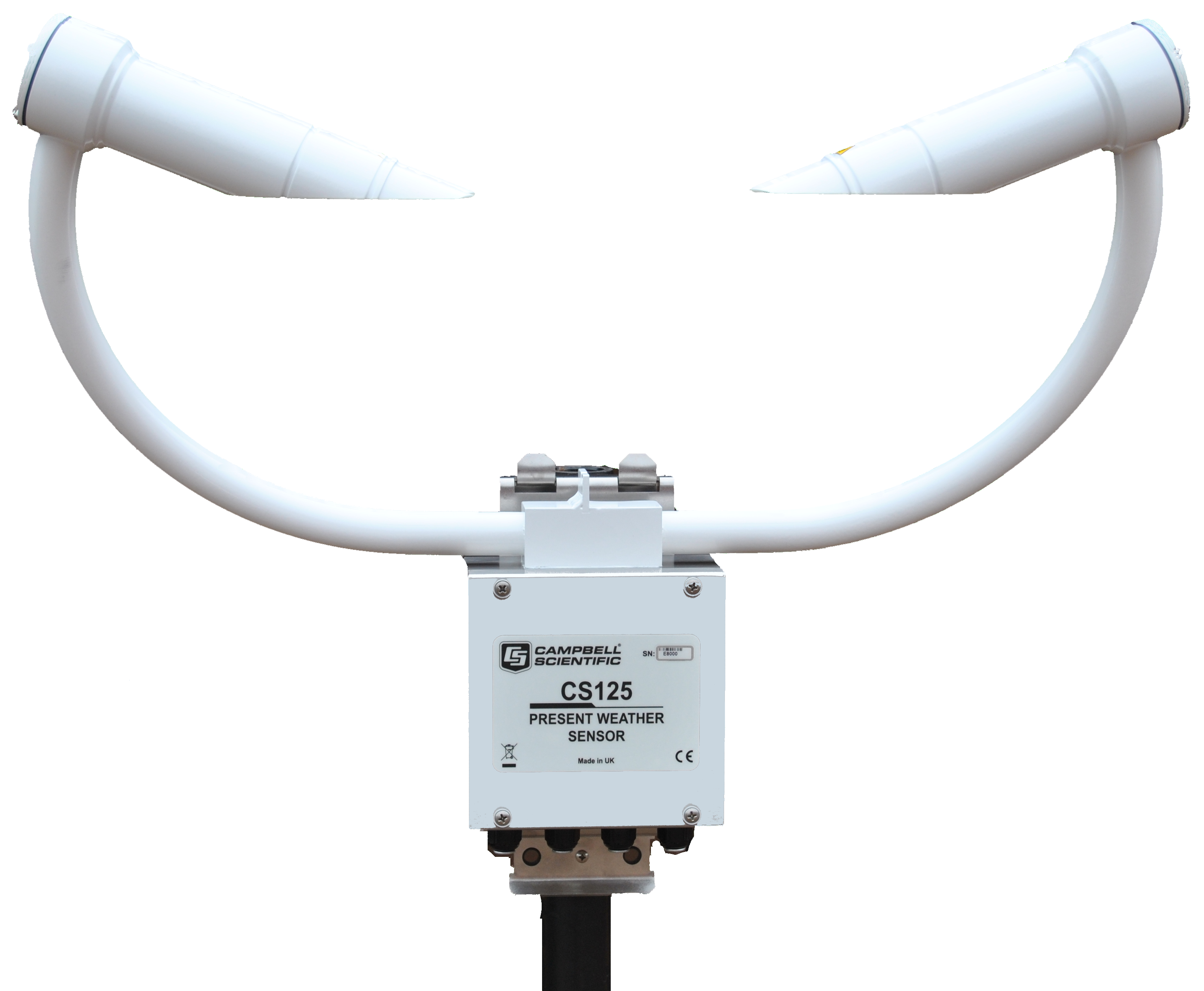
  • Visibility & forward scatter sensors – Ranges up to 100 km.
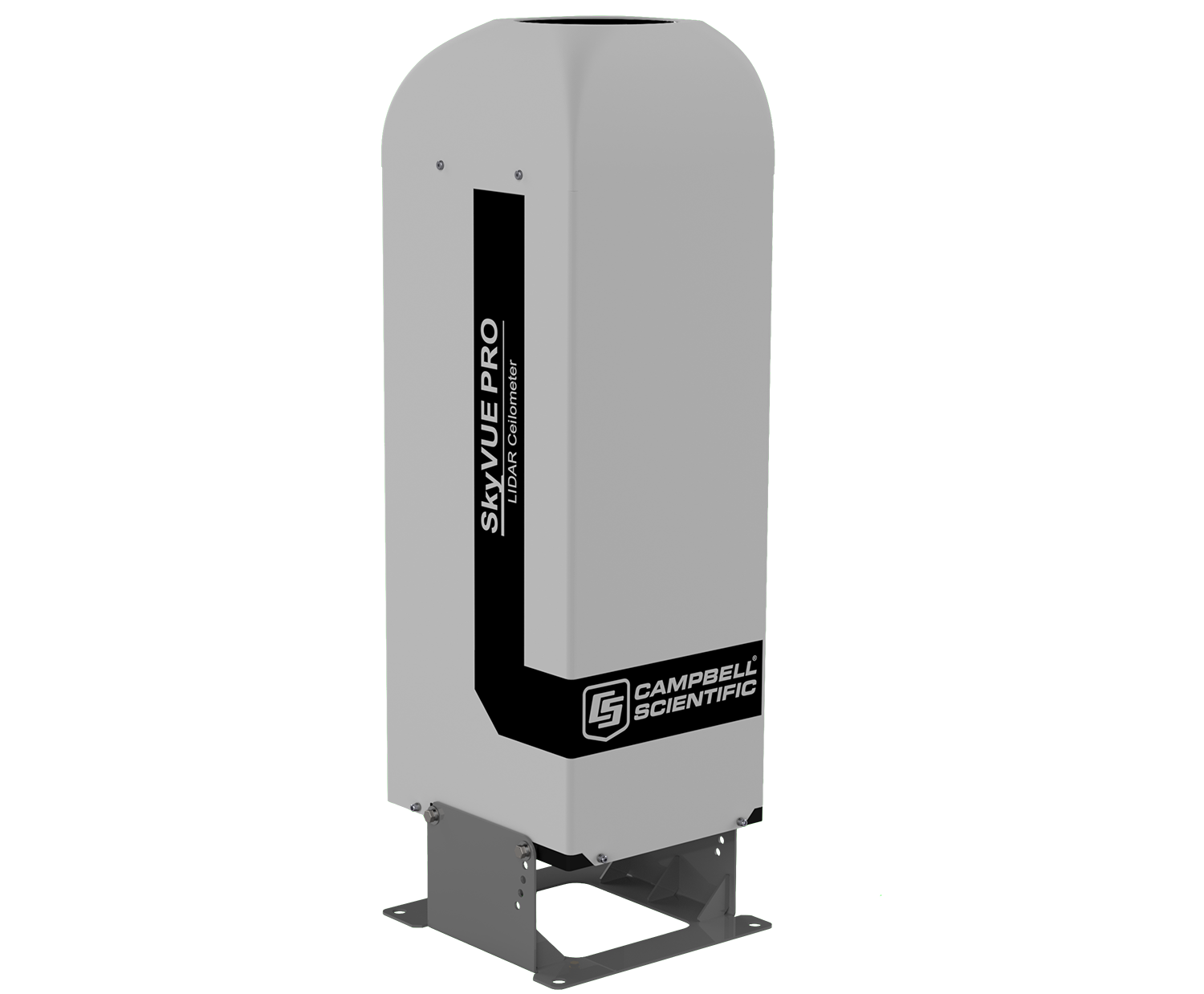
  • Cloud base LIDAR – Compliant with CAP 437 and MET aviation guidelines.

Optical Sensors →

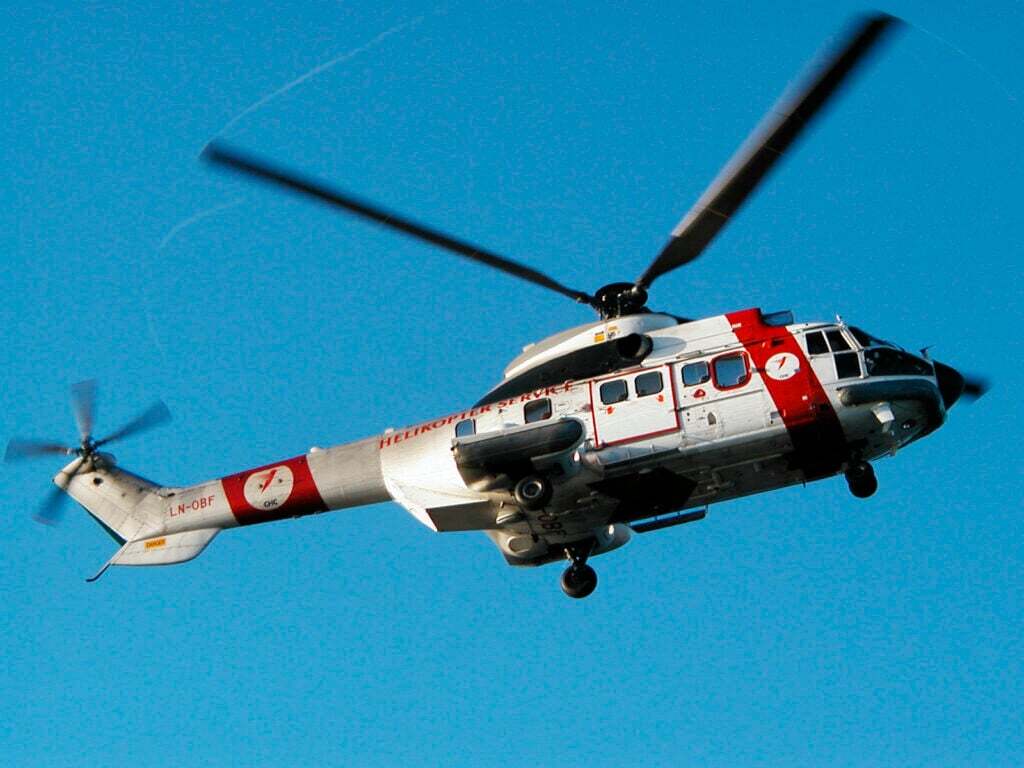
Helicopter on approach to an offshore installation
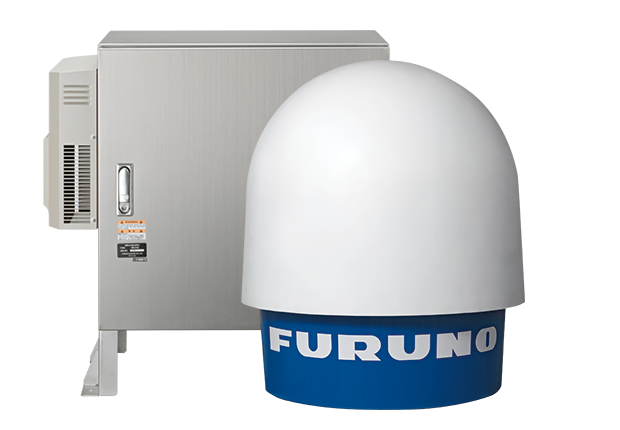
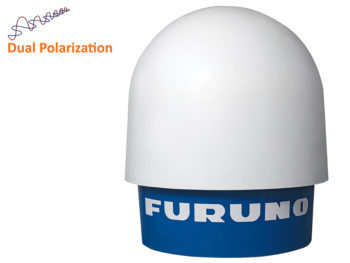
Furuno weather radar in its radome

Weather Radar

High-resolution radar systems enhance forecasting and alert capabilities for offshore safety and squall detection.

A squall can arrive as a step change in wind rather than a gradual build, and the warning time is the difference between securing a lift calmly and stopping one in a hurry. Watching the cell approach gives the deck minutes to prepare, and feeds the Squall Warning System that raises the alert automatically.

  • Furuno radars – Modified for integration with EMS and squall alert systems.

Weather Radar →

Cloud Height

How low the cloud sits above the deck, and how many layers of it there are — the height an approach has to be flown beneath.

Cloud base decides whether a helicopter can approach at all, and it is one of the values CAP 437 requires a helideck to report. Offshore it can differ markedly from the forecast and from what the mainland is seeing, which is why it is measured at the deck rather than taken from a regional report.

  • Cloud-base LIDAR (ceilometer) – Compliant with CAP 437, resolving multiple cloud layers, and vertical visibility when the sky is obscured.

Cloud Height Sensors →

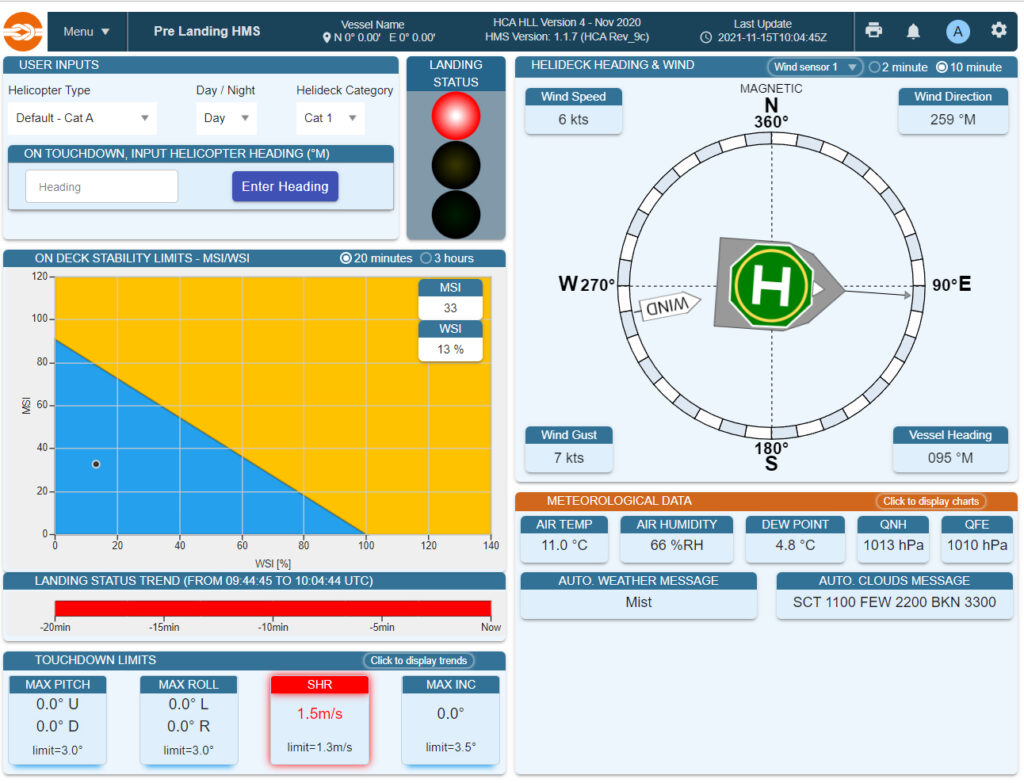
Helideck monitoring display showing pre-landing weather data
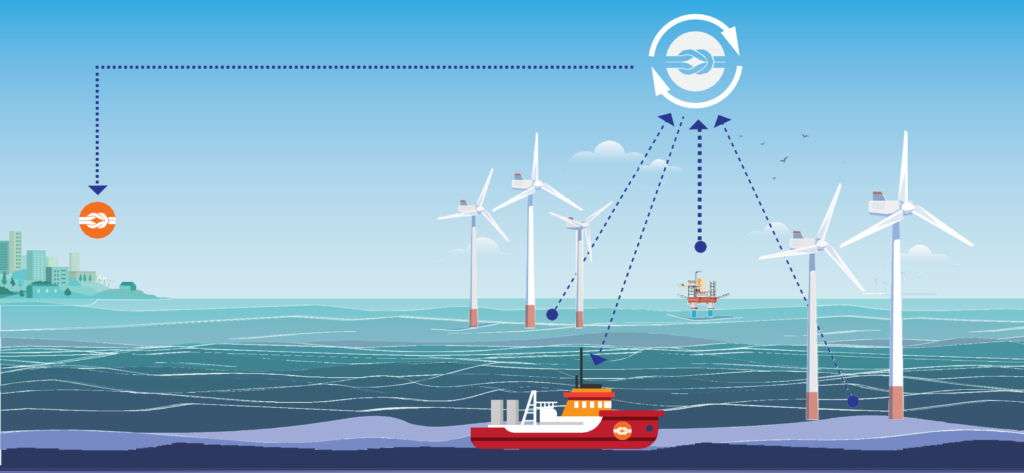
Offshore weather data collection across a wind farm

Precipitation

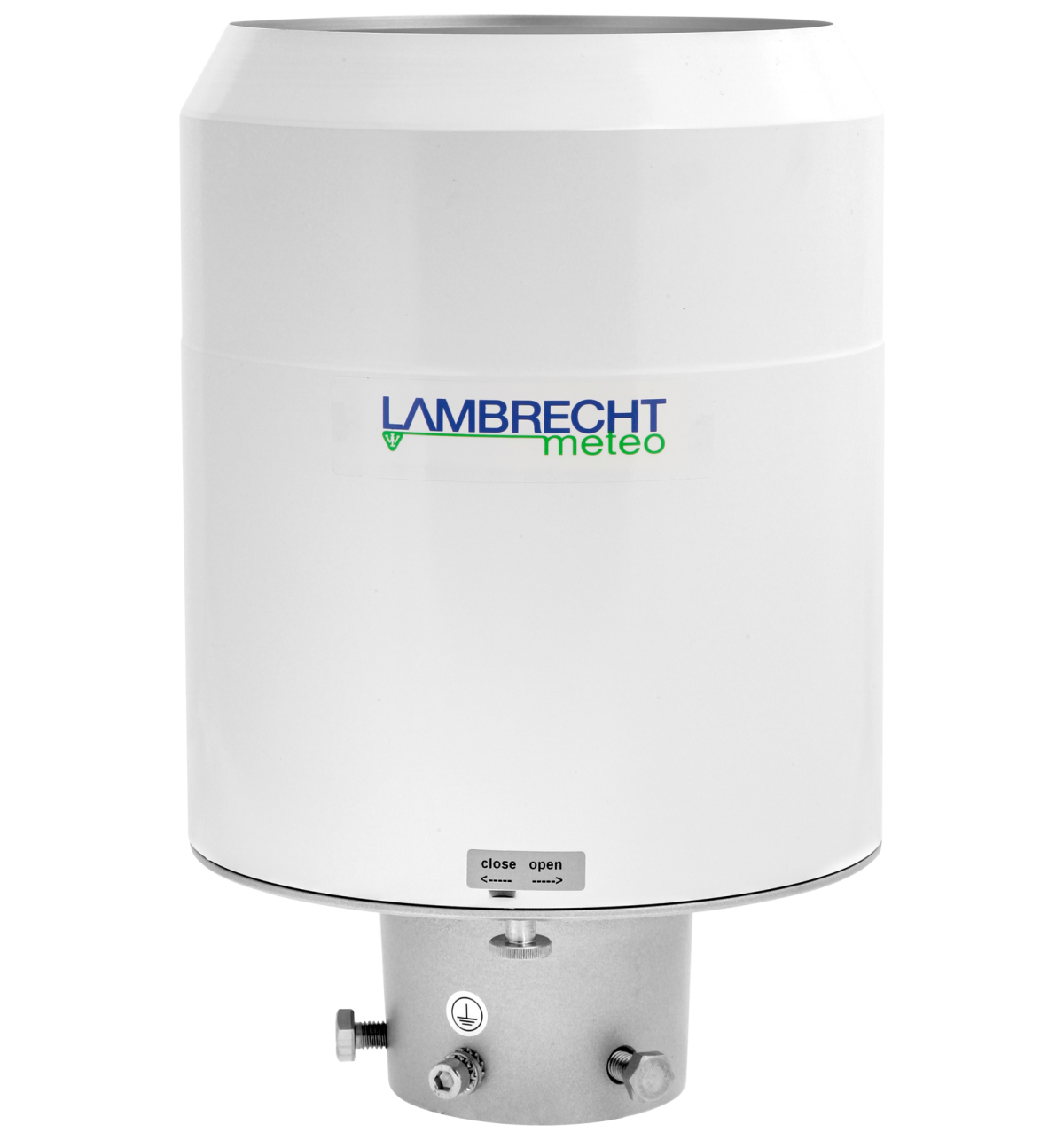
How much rain has fallen, and how fast it is falling. A tipping-bucket gauge counts the rain one small measure at a time.

Precipitation matters for the record as much as for the moment: totals feed environmental reporting and design statistics, while the rate feeds the present-weather picture that deck and helideck operations work from. Heavy rain also cuts visibility, so the two readings are read together.

  • Precipitation gauges – Tipping-bucket, siphoning and weighing types, with heated and stainless-steel variants for freezing and corrosive environments — the type selected to suit the installation.

Precipitation Sensors →

Lightning

Where the lightning is — and, the part that matters most offshore, whether the air overhead is charging up before the first strike.

A lightning risk stops work: crane lifts, helicopter movements, anything that leaves people exposed on deck. Knowing a storm is forty kilometres away and closing is useful. Knowing the field overhead has built to the point where a first discharge is likely, before it happens, is what gives a deck time to stand down in an orderly way rather than a hurry.

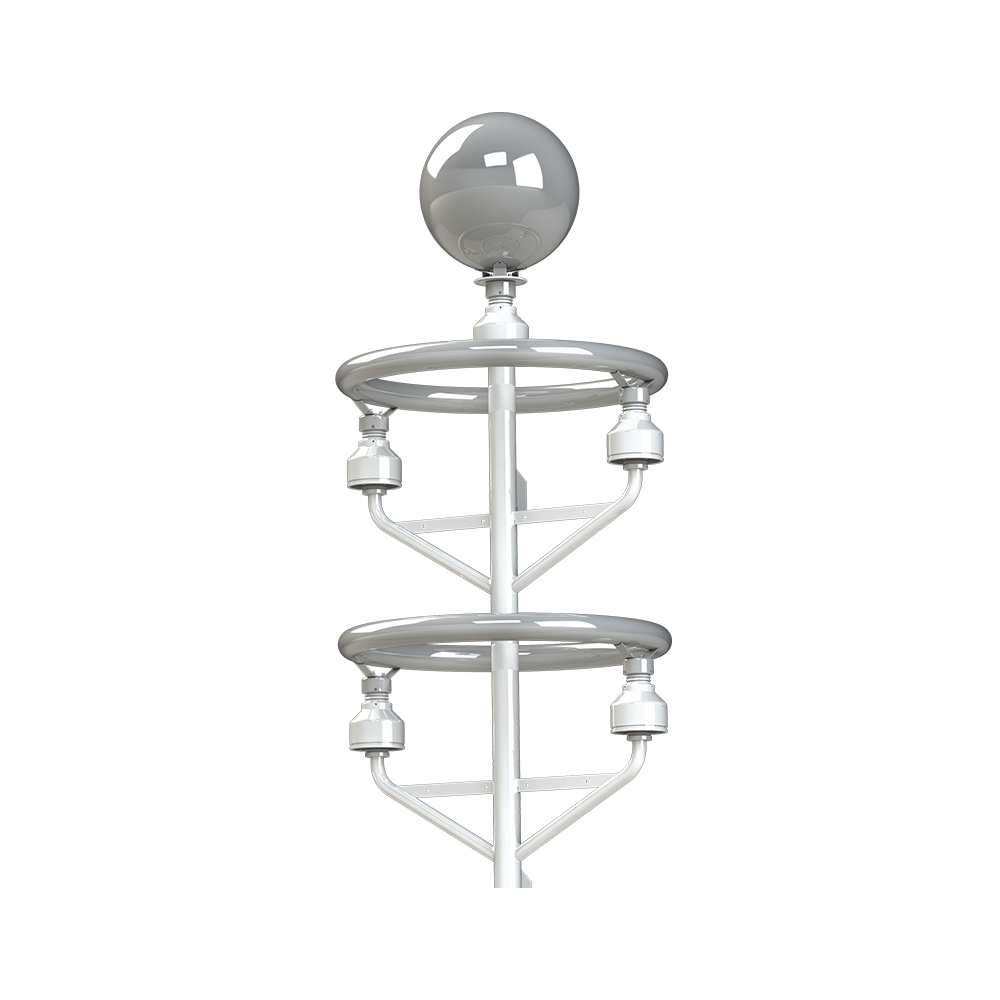
  • Thunderstorm detection – Quasi-electrostatic detection to 83 km, covering cloud-to-cloud, cloud-to-ground and intra-cloud discharges, with warning of overhead risk before the first strike.

Lightning Detection →

Offshore installation with weather monitoring equipment
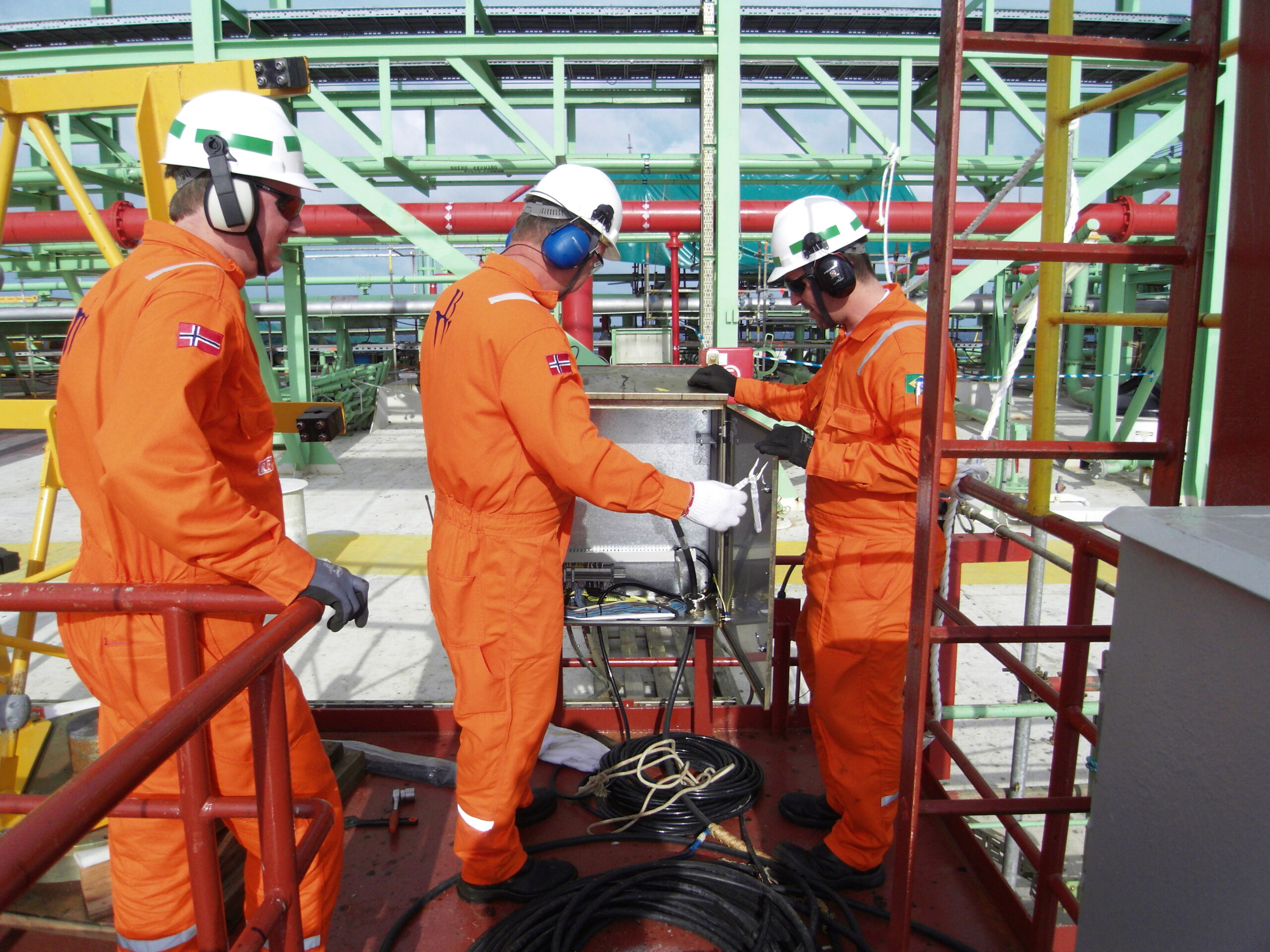
WISE Group service engineers installing sensors offshore

Service, verification and calibration

We have a well-qualified team of offshore service engineers, including experienced and certified support engineers onshore, who can undertake service work on all makes and models of MetOcean sensors and systems, EMP / EMS systems and HMS systems, and meteorological and oceanographic sensors.

Our workshop is equipped for servicing sensors and instrumentation, with a fast-track supply line for spare parts.

Calibration itself is a laboratory activity — the sensor goes to the manufacturer or a certified laboratory and comes back with a calibration certificate — and we manage that on your behalf. What we do on site is system verification: installed sensors compared against recently calibrated references, with a verification report at the end. The knowledge base sets out the difference between sensor calibration and system verification.

Where to next

Sensors are one part of the picture. Follow the thread that fits what you are working on.

Talk to us about sensor selection

Tell us what you are measuring and where, and we will come back with a sensor set that suits the installation — not a catalogue.

  • Specialists in offshore instrumentation, not resellers
  • Independent of any single manufacturer
  • Backed by our own service workshop, with calibration returns managed on your behalf

Prefer to speak to someone? See the Contact us page for direct numbers.