
Sensors › Wave Sensors
SENSORS
Wave Sensors
Wave height, period and direction — and the difference between a two-metre swell and a two-metre wind sea.
Wave height and period decide whether a crew can step across to a turbine, whether a lift over the side is safe, and how a floating installation will behave through the night. Period matters as much as height: a two-metre swell with a long period moves a vessel very differently from a two-metre wind sea.
Four ways to measure a sea state
A moored wave buoy is the industry reference. It follows the surface and derives height, period and direction from its own motion, transmitting to shore or to a nearby platform. It is also the method with the most operational limits — it has to be deployed, moored, maintained and recovered, and it can be lost.
Downlooking radar measures the distance to the sea surface from a fixed structure overhead. Nothing sits in the water, so there is nothing to foul, moor or lose, and it is well proven offshore given an unobstructed view. A single unit reports height and period; an array of three resolves direction as well.
Upward-looking acoustic sensors sit on the seabed and measure the surface from below, returning directional wave spectra and a current profile from the same instrument.
Horizontally looking radar extracts the sea state from the image of a marine X-band radar — including a standard ship radar — giving height, period, direction and often surface current across an area rather than at a single point.
What matters offshore
- An unobstructed view. A downlooking radar needs clear, undisturbed water beneath it. Splash, wake off the structure and anything projecting into the beam all corrupt the measurement, so the mounting position is part of the specification.
- Motion compensation. Mounted on something that moves, a wave radar measures its own motion as well as the sea’s. Motion-compensated versions carry a motion reference unit to remove it.
- Hazardous area. Ex-rated versions of the radar sensors are supplied for LNG terminals, offshore wind substations and other classified zones.
- Maintenance access. A seabed instrument is only as good as the plan for recovering it — see deployment systems. A radar on a bridge wing can be reached in an afternoon.
The WISE AIM Wave Buoy Sensor
Where the platform is a buoy rather than a structure, our own AIM Wave Buoy Sensor is the measurement engine inside it: a motion-reference sensor that derives wave height, period and direction from the buoy’s own heave, pitch and roll, supplied mainly as an OEM module to buoy manufacturers.
Examples from our range
A few of the wave sensors we specify, install, integrate and maintain. We supply more types and variants than are listed here.

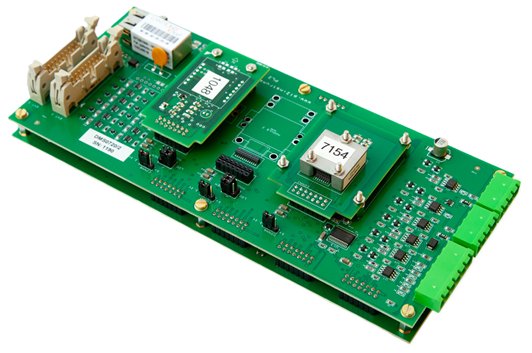
WISE AIM Wave Buoy Sensor
Our own motion-reference sensor for wave buoys, deriving height, period and direction from the buoy’s heave, pitch and roll. More.
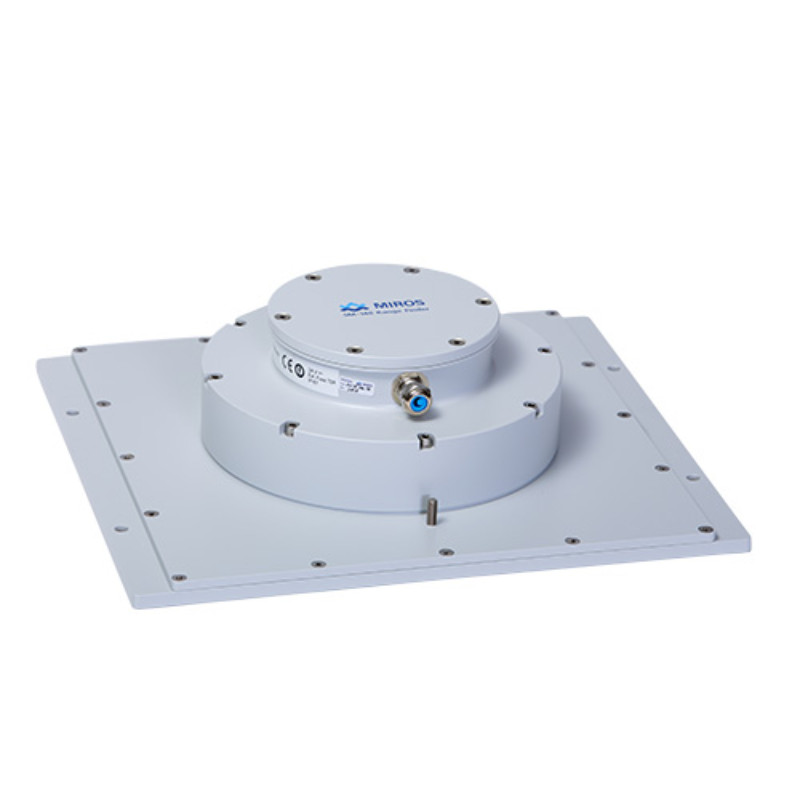
Miros SM-140 RangeFinder
Narrow-antenna downlooking radar for fixed installation, measuring wave height, period and tide without touching the water. An Ex-rated version is available for hazardous areas.
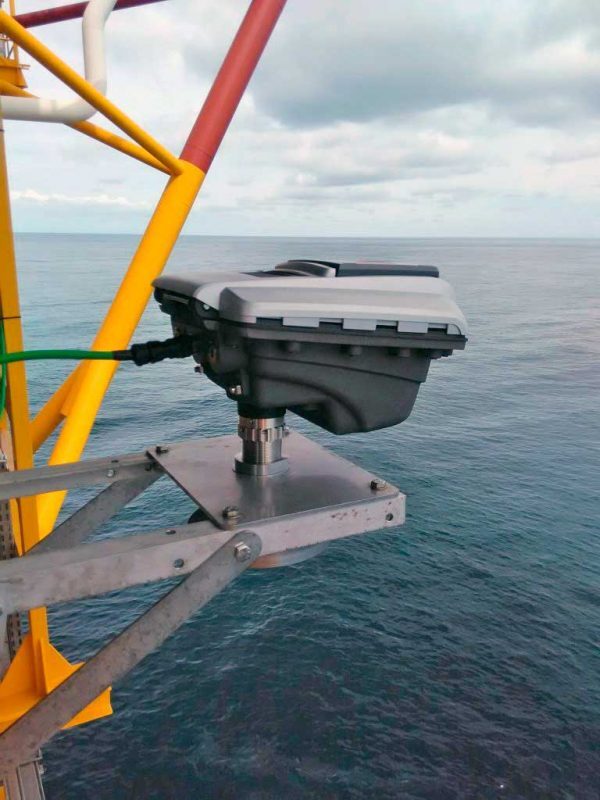
Radac WaveGuide WG-5 HT
A compact single-unit wave radar measuring wave height and tide, for fixed offshore installation where direction is not required.
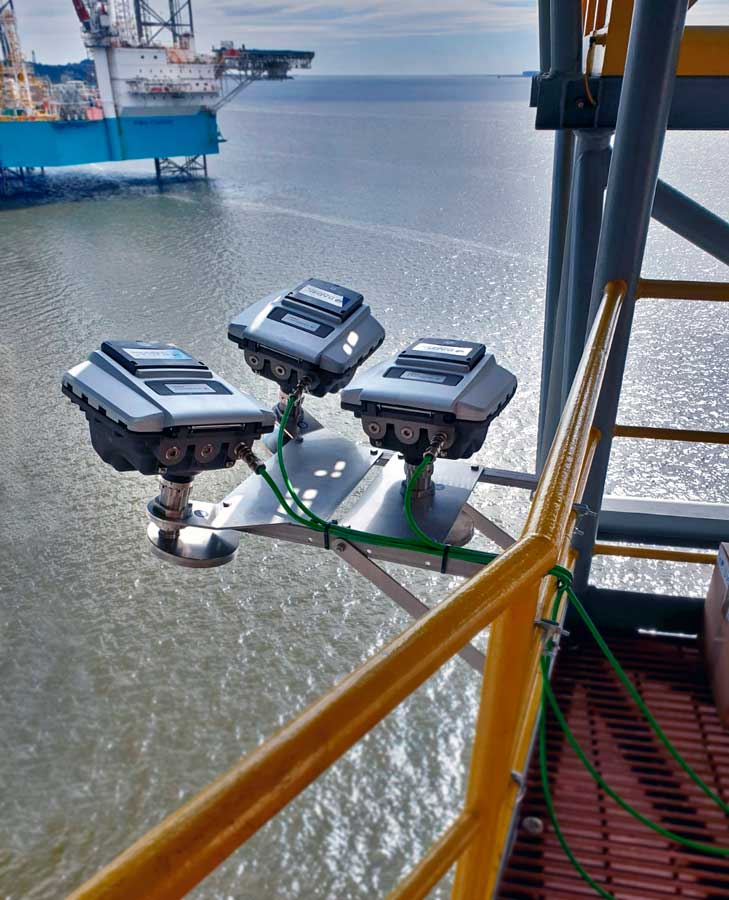
Radac WaveGuide WG-5 DR
A three-radar array measuring wave height and direction over a 0–60 m range. Supplied non-Ex, or Ex-rated (ATEX II 1/2 G Ex d) for hazardous-area installation.

Miros SM-050 Mk IV
Wave height, period and direction plus surface current speed and direction, on a stainless pedestal with cooling unit and sun shield. A tropical, motion-compensated version includes an MRU.
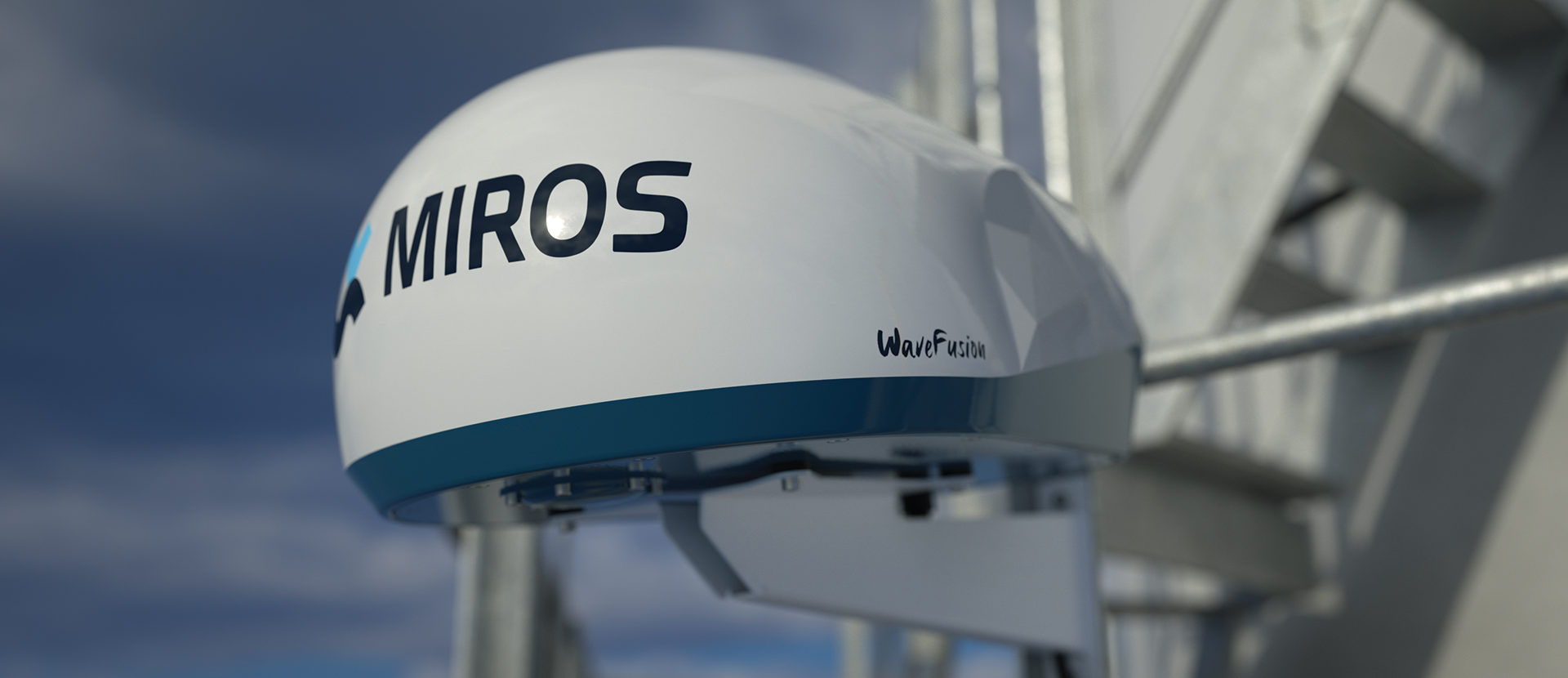
Miros WaveFusion
A single-sensor wave and surface-current radar giving non-contact height, period, direction and surface current from one compact unit.
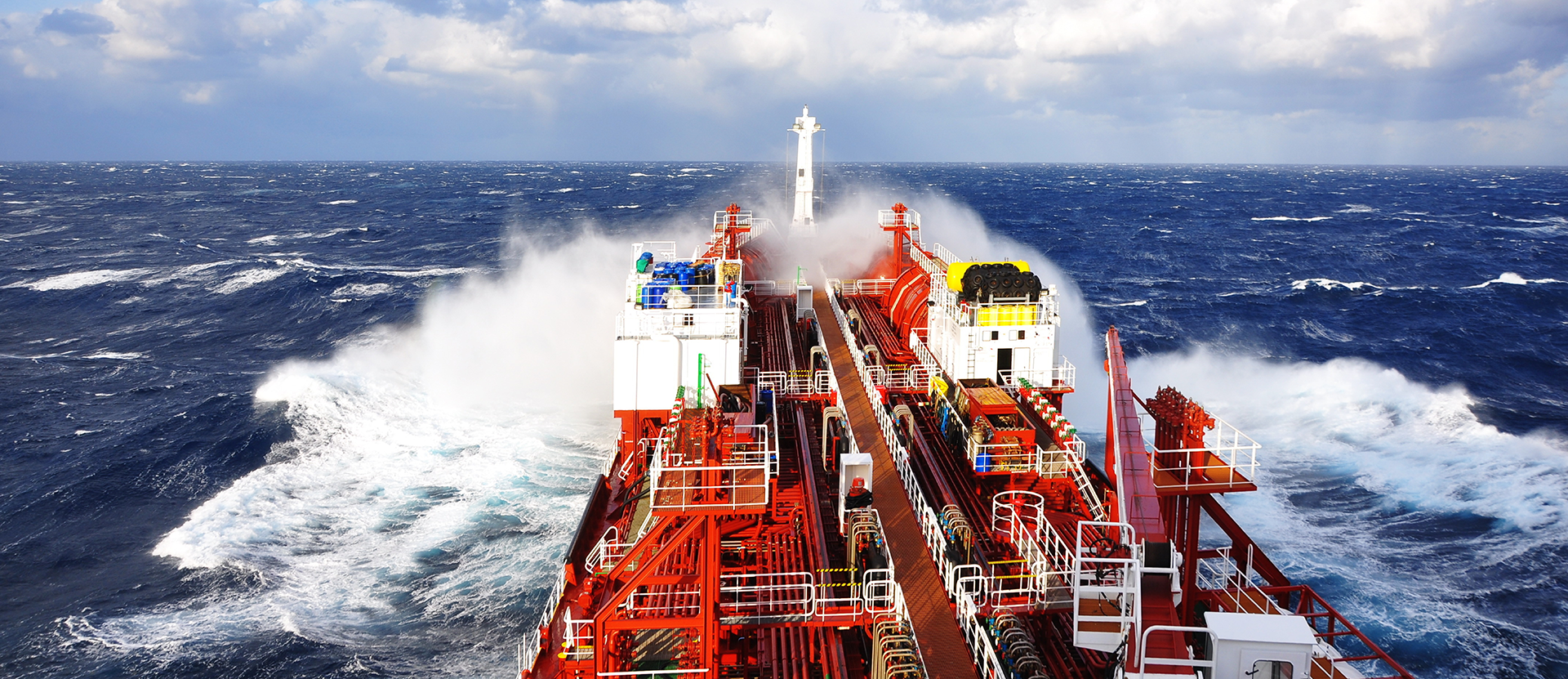
Miros Wavex
Directional wave and sea-state monitoring derived from an X-band radar image, with video digitizer, cable kit and system software. A Furuno FAR-2018MK2 radar can be supplied as the image source.
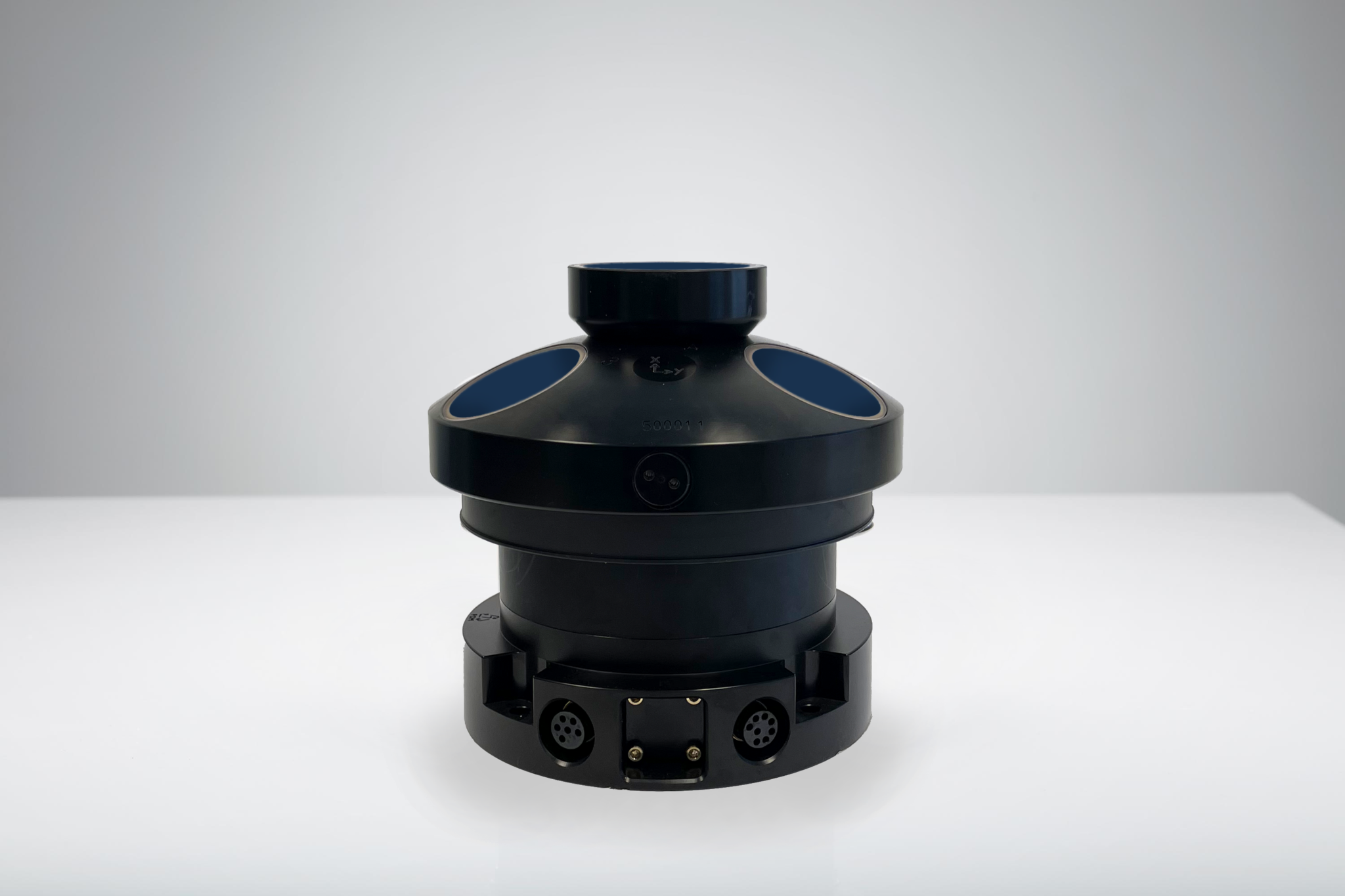
Nortek AWAC
Seabed-mounted acoustic profiler combining directional wave spectra with a current profile, in 400 kHz, 600 kHz and 1 MHz versions for water depths to roughly 100 m.
Wavesat downlooking wave radar
A downlooking wave radar for fixed platform and vessel installations, measuring the sea surface without anything in the water. Supplied on its own or within an Environmental Monitoring System where wave measurement is part of the scope.
Related
Several of these instruments measure current as well as waves, and the sea state is reported alongside the rest of the picture in an environmental monitoring system. The buoy-mounted measurement engine is described on the WISE AIM Wave Buoy Sensor page. See all sensor types.