
SensorsWind Sensors

SENSORS

Wind Sensors

Wind speed and direction — the limit almost every offshore decision is measured against.

Helicopters have crosswind and gust limits before a deck is closed, crane lifts stop at a defined speed, and a walkway to a wind turbine only connects inside a safe window. On a moving vessel the sensor also feels the vessel’s own motion, so true wind has to be computed from the measured relative wind, the heading and the speed over ground.

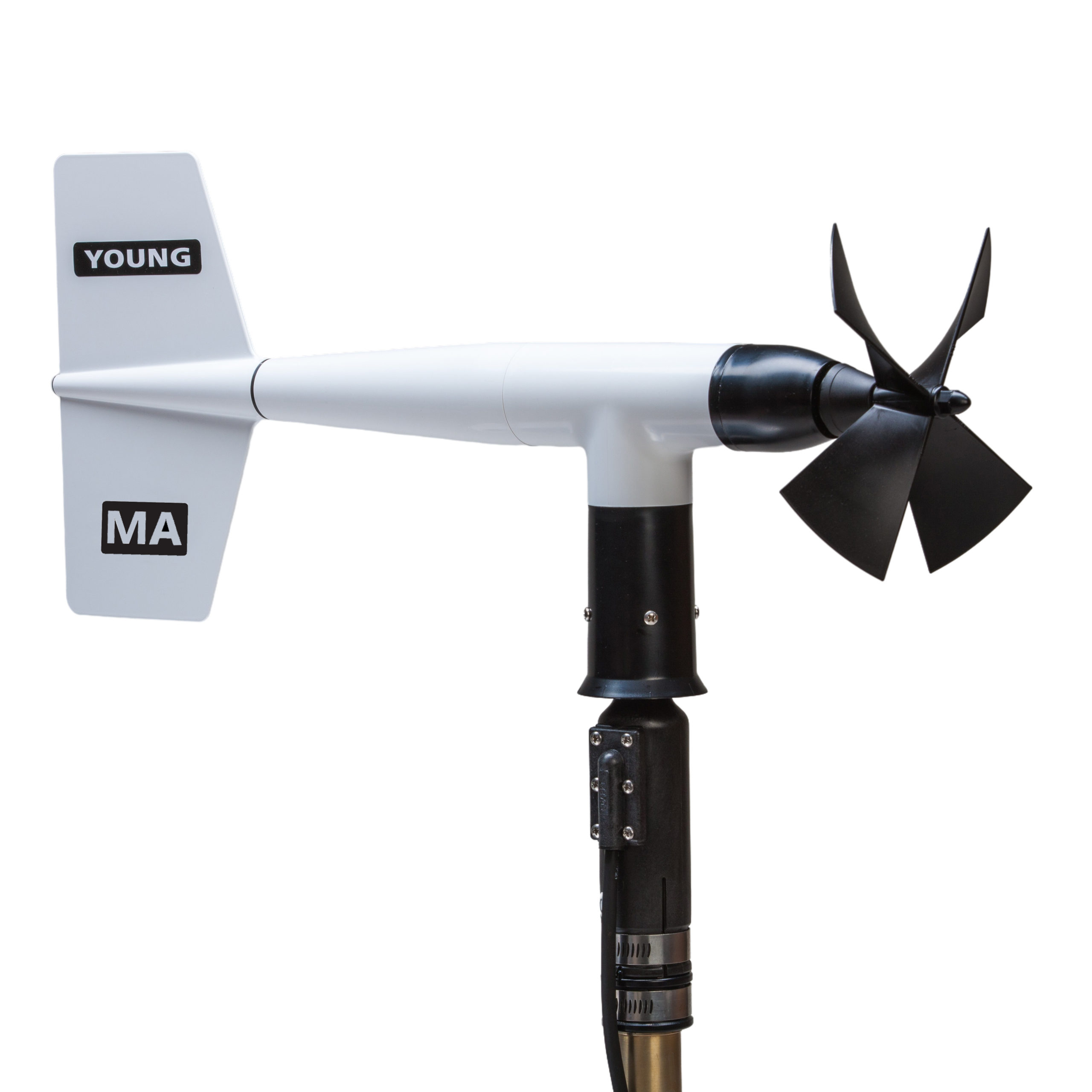
R.M. Young 05106 marine wind monitor

Three ways to measure wind

Mechanical sensors — propeller-and-vane or cup — have been measuring wind for a century and still do it well. Different designs behave differently at the extremes: some start turning in almost no wind, others survive gusts that would destroy a lighter instrument. Bearings wear, so they need periodic service, and the temperature range matters in cold climates.

Ultrasonic sensors time sound pulses across a fixed path, so nothing turns and nothing wears. That makes them the sensible choice on a high mast or anywhere access is difficult and expensive, and it removes most of the calibration burden.

Wind LiDAR measures remotely, profiling speed and direction at many heights at once from a single unit on deck. Nothing is mounted at height, so there is nothing at height to damage or maintain — valuable offshore, and the usual way to characterise wind across a whole wind farm rather than at one point on it.

What matters offshore

  • Hazardous area. Where the mast sits in a classified zone an intrinsically safe or ATEX-certified sensor is required. We supply intrinsically safe ultrasonic and mechanical options, and Ex packages complete with their own interface module.
  • Icing. A frozen anemometer reads zero and gives no sign that it is wrong. Heated sensors keep measuring through freezing spray, and the amount of heating needed scales with how bad the icing gets.
  • Location, location, location. More bad wind data comes from siting than from instruments. Turbulence off a structure, shadowing from a crane or flare, and disturbed flow around the mast itself all corrupt the reading, and none of it shows up as an obvious fault. Wind sensor location — why it matters and what to do about it covers this in the Knowledge Base, and our engineers will advise on a specific installation.
  • True versus relative wind. On anything that moves, the sensor measures relative wind. True wind is computed from that, the heading and the speed over ground — so the heading and position inputs matter as much as the anemometer does.

Examples from our range

A few of the wind sensors we specify, install, integrate and maintain. We supply more types and variants than are listed here.

Gill WindObserver 65 ultrasonic wind sensor

Gill WindObserver 65

Ultrasonic wind speed and direction with no moving parts, for continuous low-maintenance operation. Available unheated, or as the 65-H with an integral de-icing element for freezing spray.
Datasheet (PDF)

Gill WindObserver 75 heated ultrasonic wind sensor

Gill WindObserver 75

Built for higher wind speeds and more demanding icing conditions, with 150 W of integral heating keeping it reporting through freezing weather.
Datasheet (PDF)

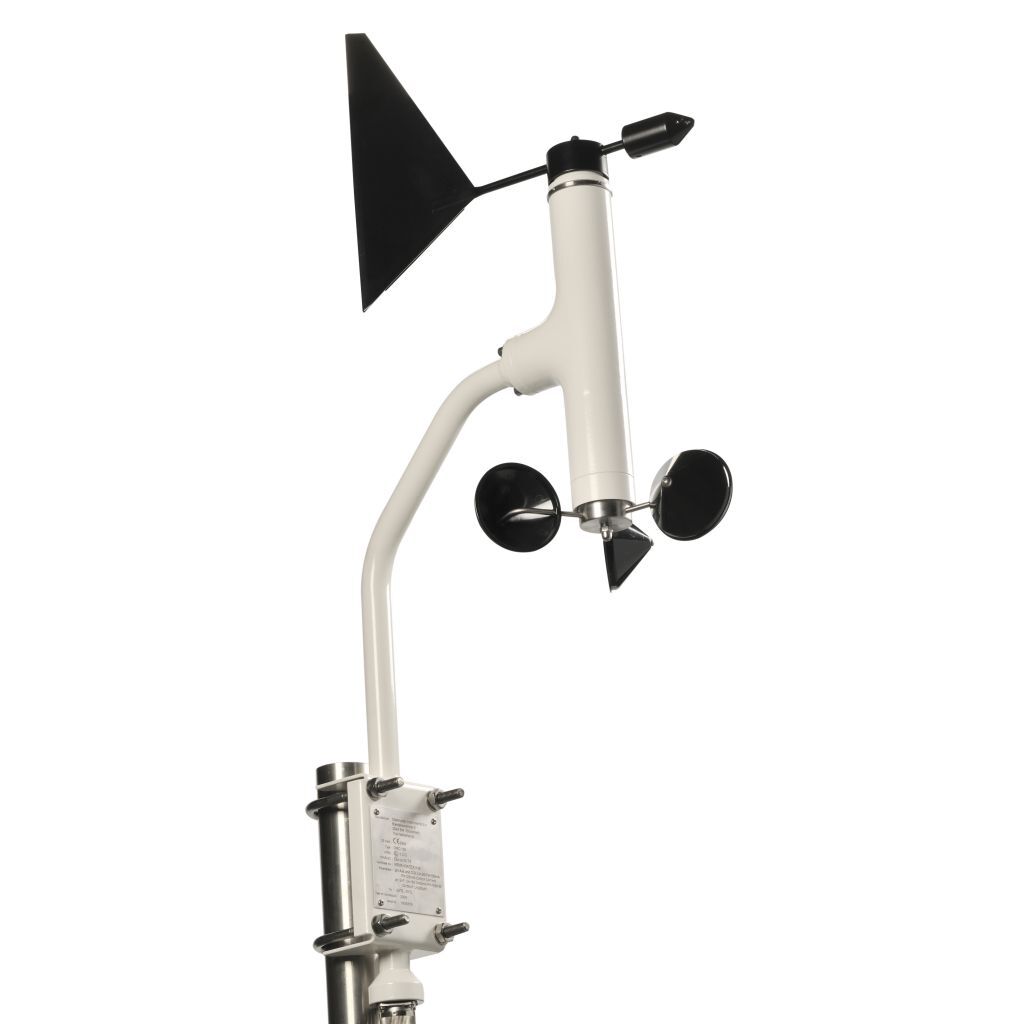
Gill WindObserver IS intrinsically safe ultrasonic wind sensor

Gill WindObserver IS

Intrinsically safe ultrasonic wind sensor for hazardous areas, with ATEX and IECEx certification for offshore platforms, drilling rigs and petrochemical sites.
Datasheet (PDF)

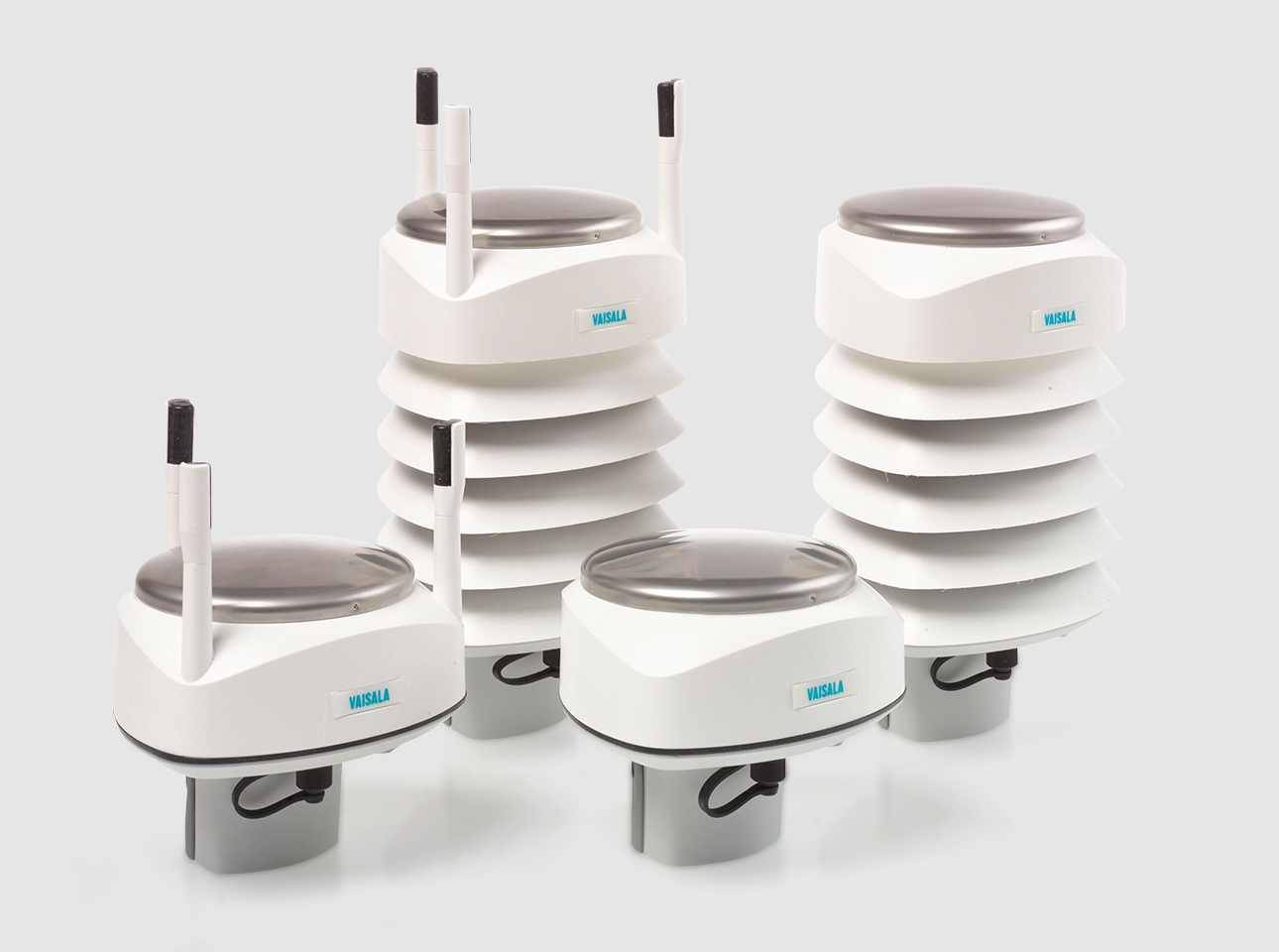
Vaisala WXT530 series weather transmitter

Vaisala WXT532

A compact WINDCAP ultrasonic wind sensor with no moving parts, measuring wind speed over 0–60 m/s with serial output to the acquisition system.
Datasheet (PDF)

Observator OMC-150 intrinsically safe wind sensor package

Observator OMC-150/158

An intrinsically safe wind package: the stainless-steel OMC-150 ultrasonic sensor (0–75 m/s, EEx ia IIC T4) with its OMC-158 interface unit.

Datasheet (PDF)

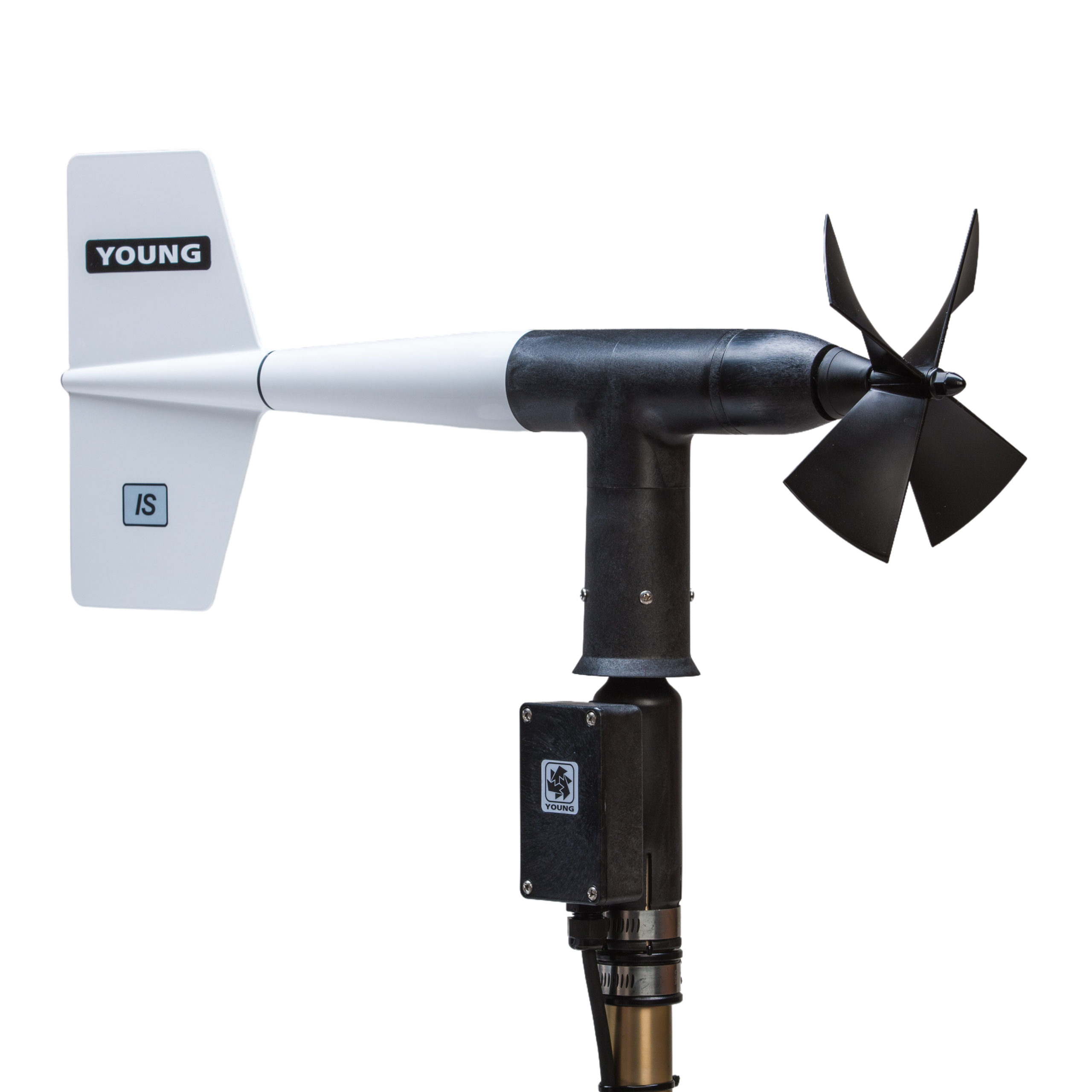
R.M. Young 05106 marine wind monitor

R.M. Young 05106

A propeller-and-vane marine wind monitor in corrosion-resistant materials, measuring to 100 m/s at 0.3 m/s. The reference mechanical sensor for offshore installations.
Datasheet (PDF)

R.M. Young 05501LM intrinsically safe wind monitor

R.M. Young 05501LM-IS

The intrinsically safe propeller-and-vane monitor, certified for Class I Division 1 (Groups A–D) hazardous areas.
Datasheet (PDF)

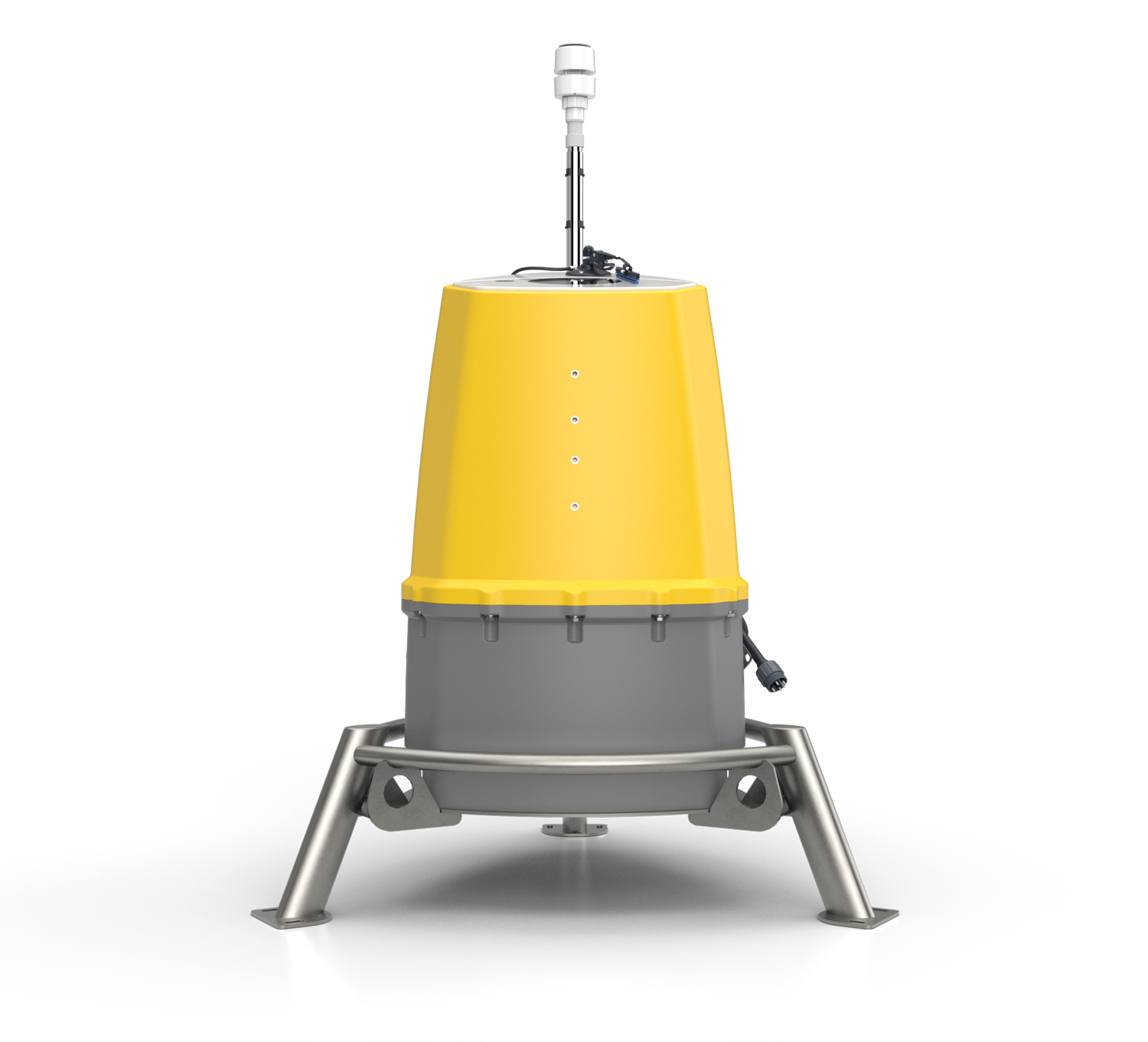
ZX Lidars ZX300M vertical profiling wind LiDAR

ZX Lidars ZX300M

Vertical-profiling wind LiDAR, measuring speed and direction from 10 m to 300 m above the unit. Supplied in floating and offshore FPSO configurations.

Datasheet (PDF)