What a weather radar adds
Every other sensor on an installation measures what is happening at the installation. A weather radar measures what is happening seventy kilometres away and heading towards it. That is the whole point of it: an event that would otherwise arrive without warning becomes one you can see coming.
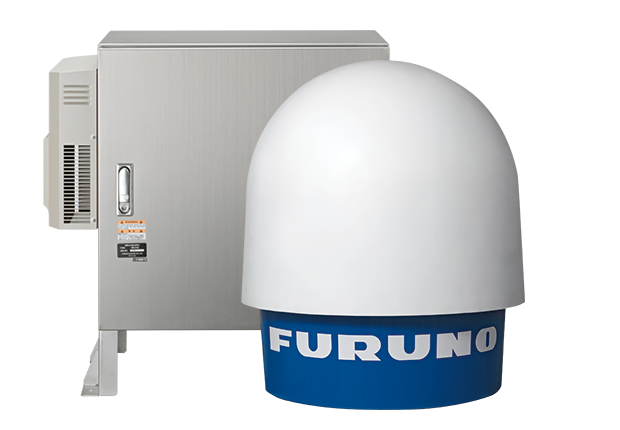
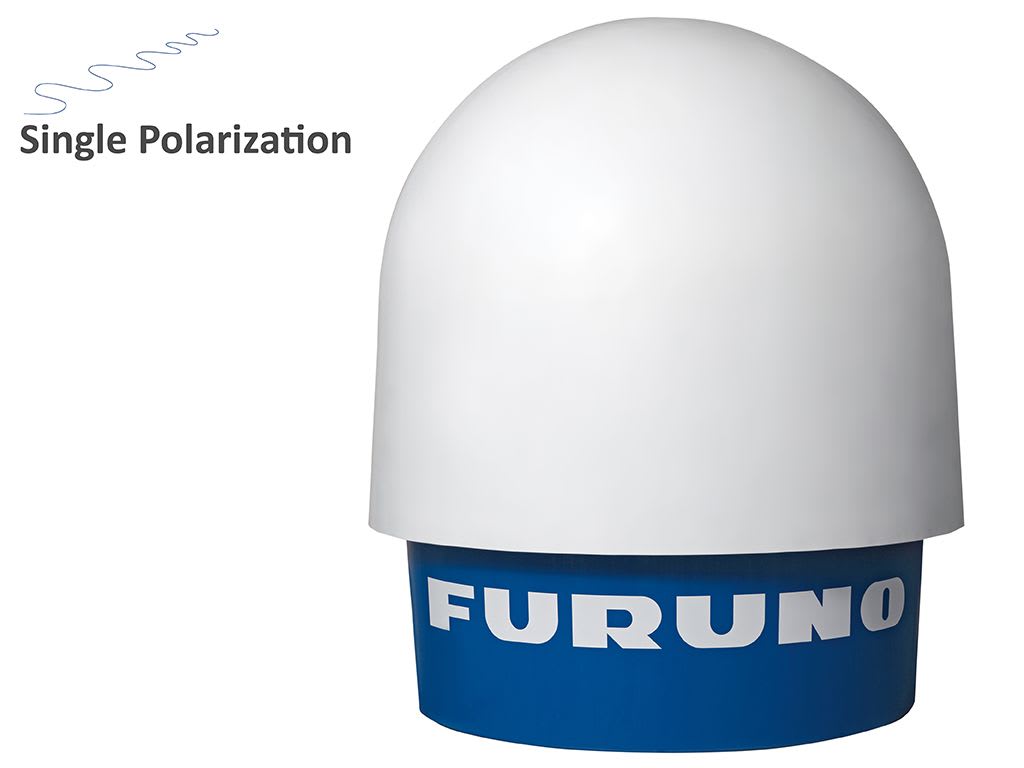
An X-band Doppler radar sends out a pulse and reads what returns from rain and hail in the air, building a picture of precipitation intensity and movement across the area. Dual-polarisation radars transmit both horizontally and vertically, which lets them classify what the precipitation actually is and measure rainfall rate far more accurately than a single-polarisation set.
Squall warning
Radar imagery on its own still needs someone watching it. A squall warning system analyses the picture continuously and raises an alarm when a cell meeting the defined criteria is approaching, so the deck is told rather than having to look. The warning and the radar picture are presented alongside the rest of the weather data rather than on a screen of their own.
Helicopter triggered lightning
A helicopter flying through a charged cloud can trigger a discharge that would not otherwise have happened. Knowing where the convective cells are, and how they are moving, is part of managing that risk alongside thunderstorm detection. Furuno’s article Can HTL (Helicopter Triggered Lightning) be avoided? covers the background (in Norwegian).
What matters offshore
- Integration, not a standalone box. We are a Furuno reseller and system integrator: the radar is brought into the wider monitoring system so its output reaches the same screens and logs as everything else. Our partnership with Furuno draws on more than 70 years of their marine electronics.
- Siting and the radome. A radar needs a clear horizon in the directions that matter. Structure in the beam produces permanent echoes and blind sectors, so the mounting position is settled early rather than late.
- Redundancy. Where the radar is what triggers an operational decision, a twin-antenna configuration with dual signal and data processing keeps the warning available while one side is down for service.
- Harsh environment. The units are specified for continuous operation in marine and offshore conditions — salt, vibration and temperature — rather than adapted from a land installation.