
Sensors › Current Sensors
SENSORS
Current Sensors
What the water is doing, through the whole column rather than at one depth.
Current loads risers, moorings and anchor lines, pushes a vessel off station, and sets the working window for divers and ROVs. Knowing the whole profile rather than a single surface reading is what tells you whether the force is at the top of the water column or deep down against the structure — and the water tens of metres down can be running in a quite different direction from the surface.
Single point or profile
A single-point current meter measures speed and direction at the one depth where it sits. That is enough when the question is about a specific depth — at a riser clamp, or at an intake — and the instruments are compact and straightforward to deploy.
A current profiler (ADCP) measures a whole column at once, dividing it into cells and reporting speed and direction in each. Currents often vary sharply with depth and sometimes reverse, so the profile is usually what is wanted. That difference tells most during an offloading operation: a tanker coming alongside an FPSO is handled on the current where the tanker is, which is not necessarily the current at the FPSO’s own hull.
Frequency sets the trade-off. A high-frequency instrument gives fine resolution over a short range; a low-frequency one reaches hundreds of metres with coarser cells. Which to use is a question of water depth and of what the data is for — and several sensors can be run together, with the profiles merged by the system software.
Horizontal profiling
Where the interest runs across rather than down — approach channels, berths, intake protection — a horizontal profiler looks sideways from a fixed structure and reports the current out to a hundred metres or more.
What matters offshore
- Getting it in and out. A profiler over the side needs a way down and, more importantly, a way back. Winch and davit systems make recovery routine rather than an operation — see deployment systems. Seabed frames are the alternative where the instrument is placed rather than suspended.
- Fouling. Anything left in the water grows. Marine growth on the transducer heads degrades the signal long before it stops it, which is why easy recovery and a cleaning interval matter as much as the instrument specification.
- Power and data. A cabled instrument reports continuously and runs off the installation; a self-contained one logs internally on battery and gives up its data on recovery. The choice follows whether anyone needs the current in real time.
- Servicing and calibration. A recovered instrument needs cleaning and a check over, and its calibration interval kept to. We turn instruments round with a fast-track supply line for spare parts, and manage calibration returns to the manufacturer on your behalf.
Examples from our range
A few of the current sensors we specify, install, integrate and maintain. We supply more types and variants than are listed here.

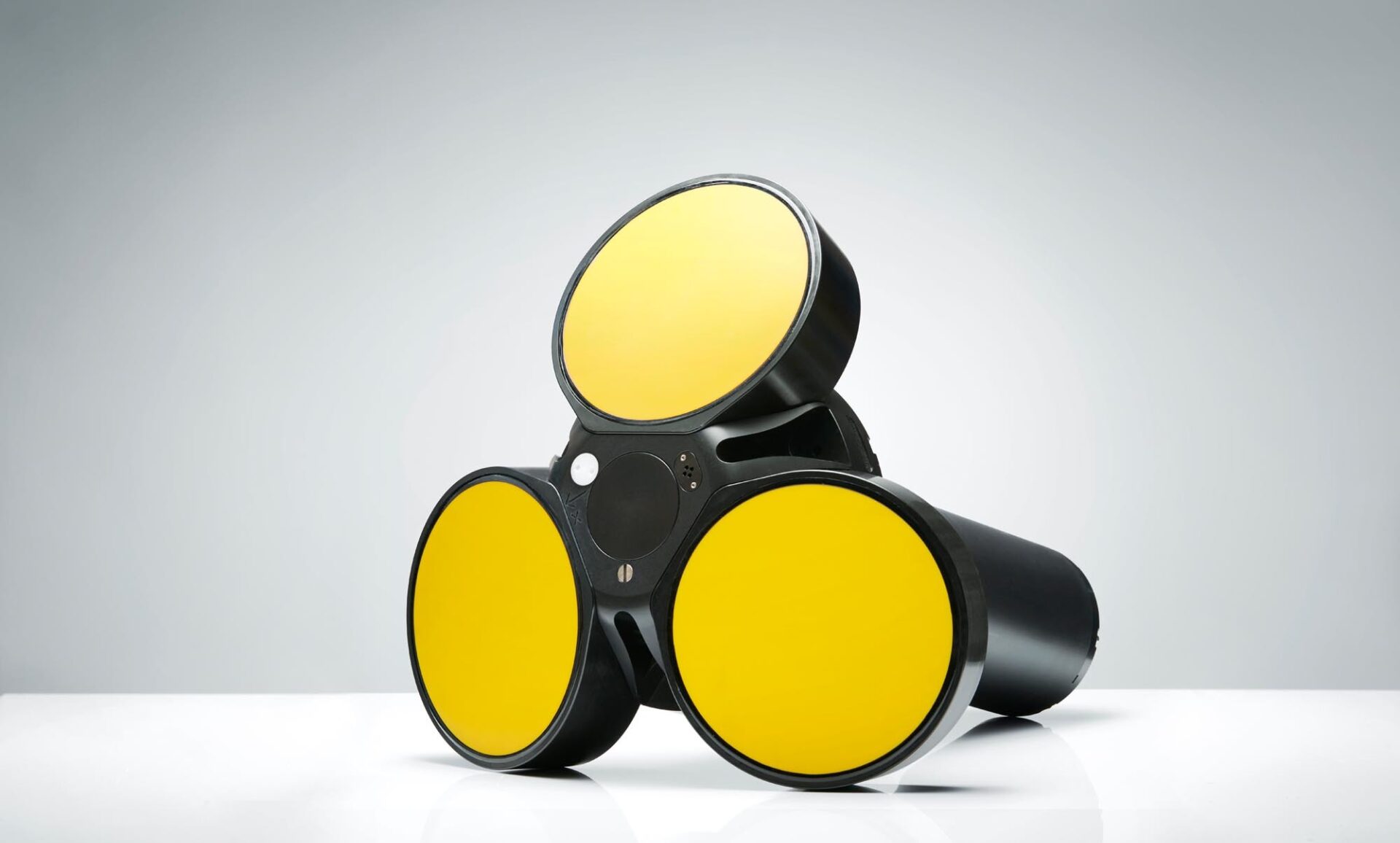
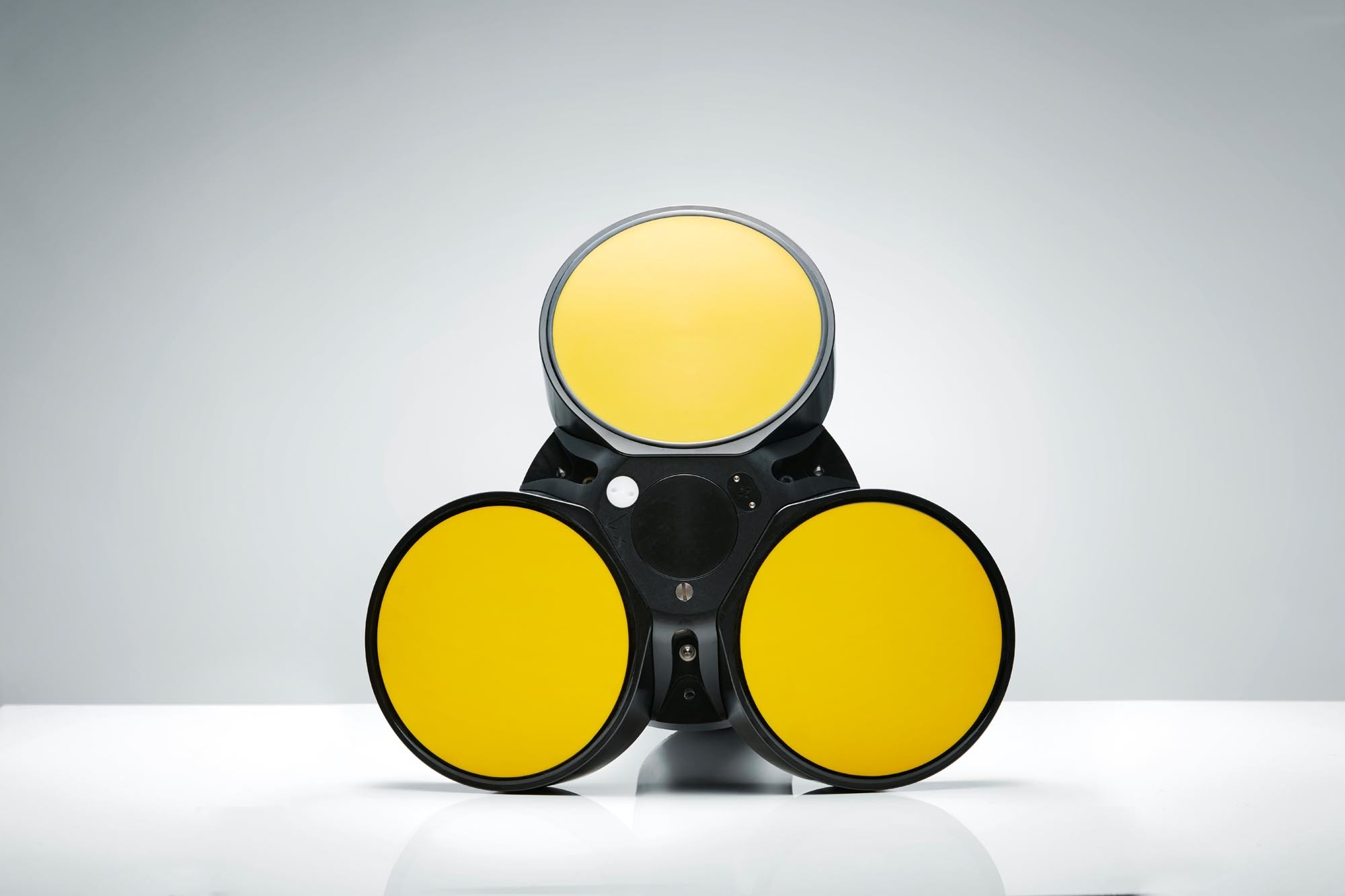
Nortek Signature 55
Long-range vertical profiler for deep water, reaching 800–1000 m. Supplied with a temperature sensor and subsea interconnecting cable.
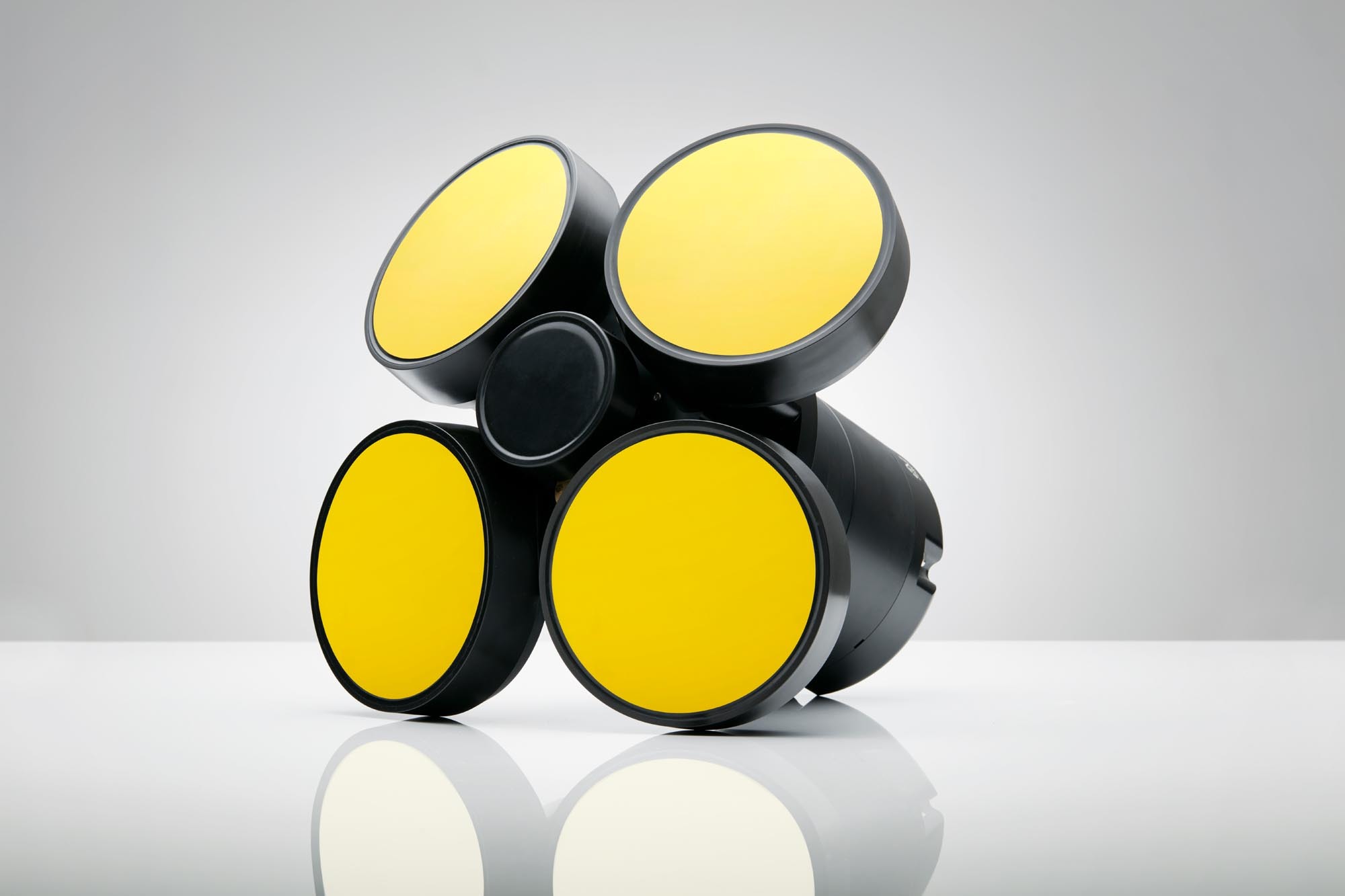
Nortek Signature 250
250 kHz vertical profiler reaching roughly 200 m, with wave and turbulence measurement alongside the current profile.
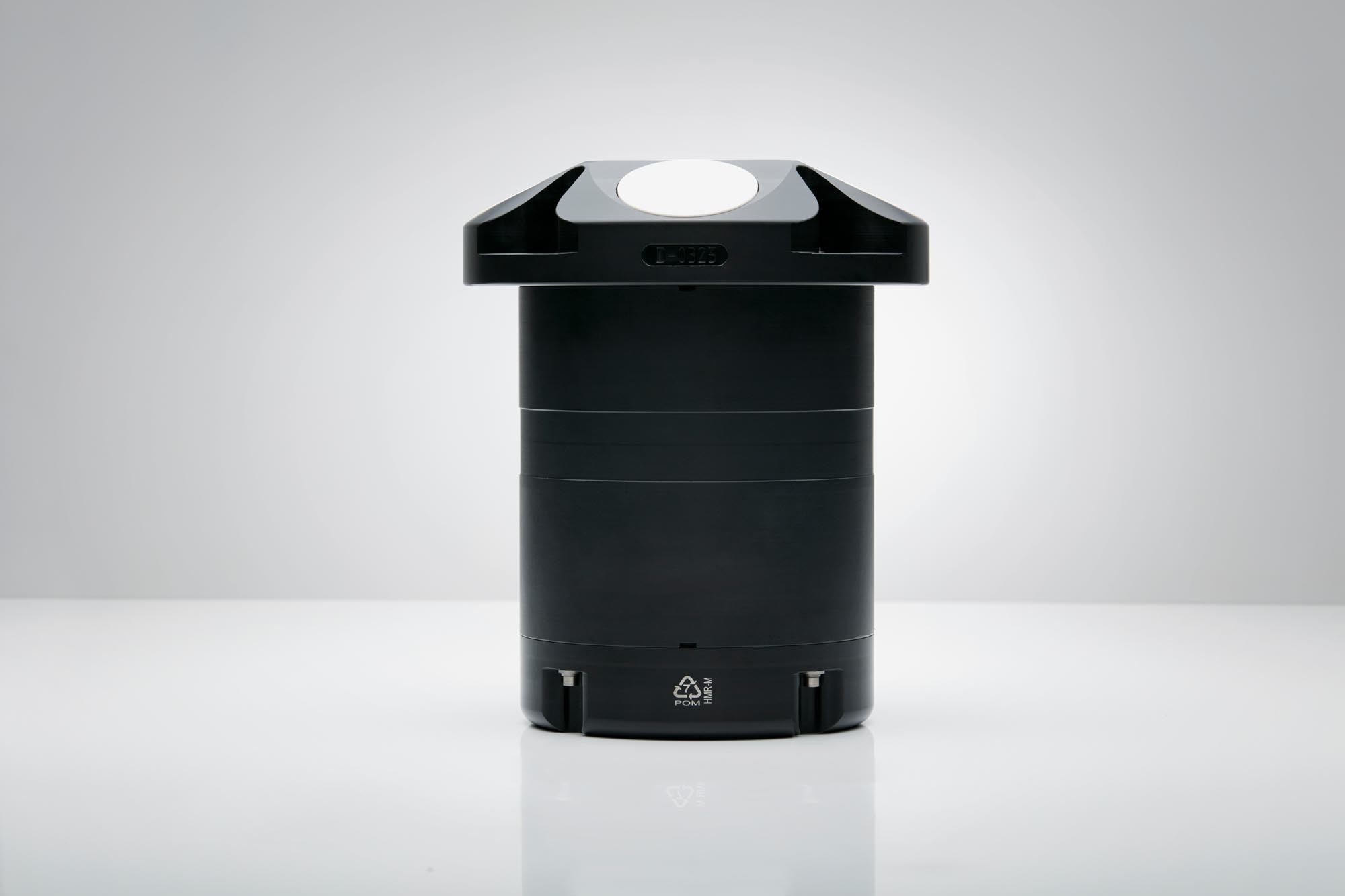
Nortek Signature 500
500 kHz vertical profiler to about 70 m, adding wave, turbulence and ice measurement. The common choice for shallower installations.
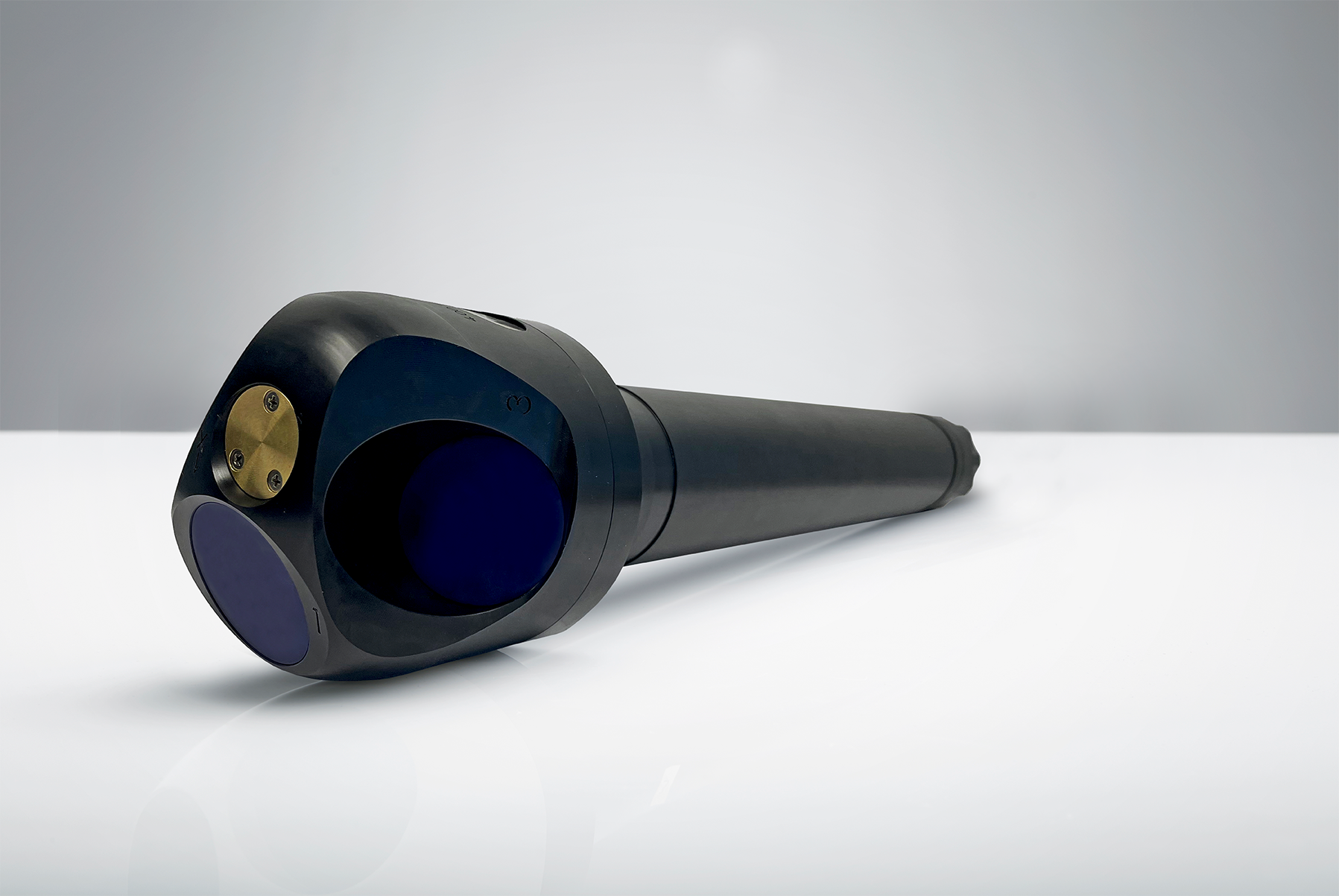
Nortek Aquadopp Profiler
A family of compact profilers from 2 MHz to 400 kHz, covering roughly 10 m to 90 m, with the cell layout chosen for the water depth and the job.
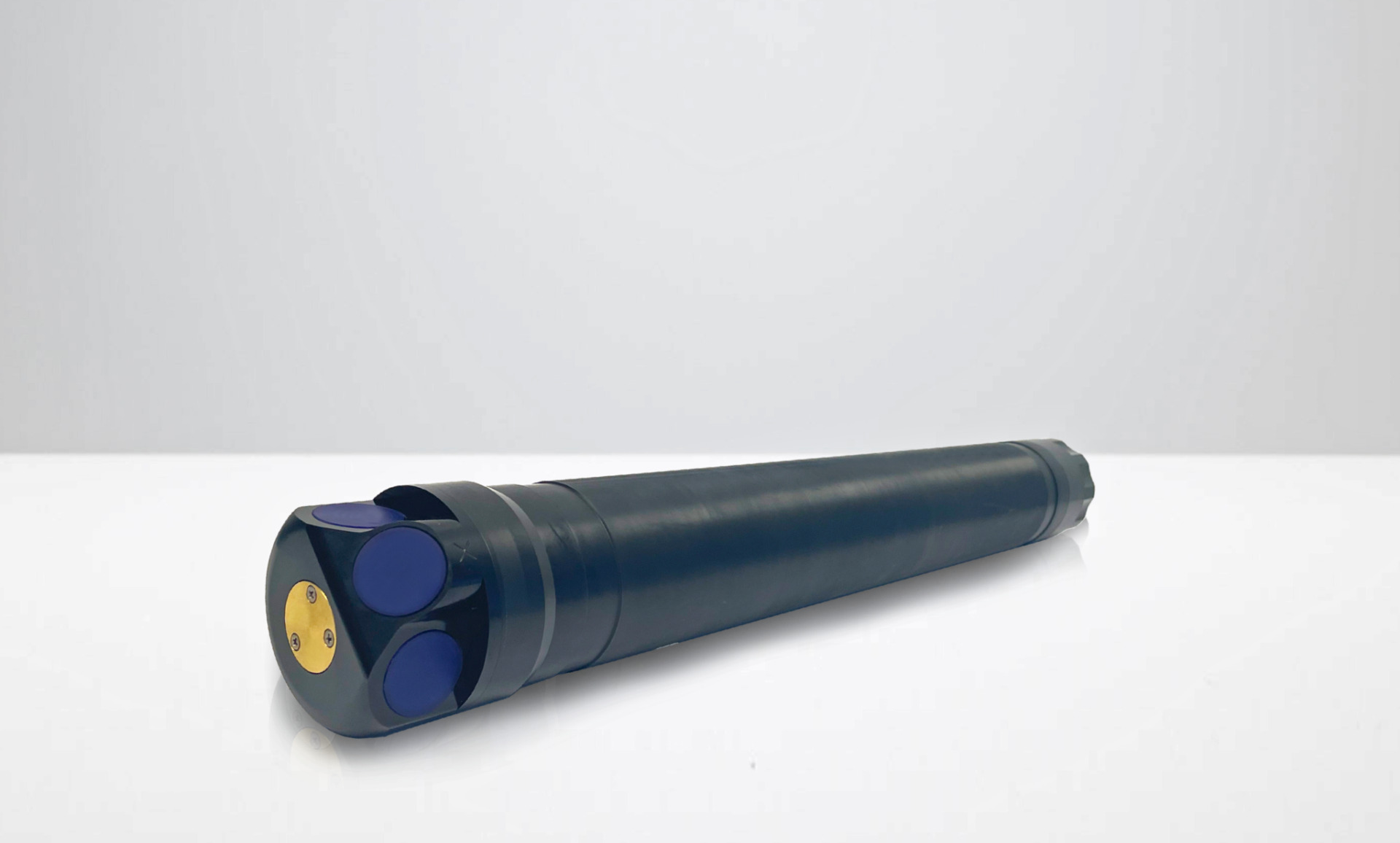
Nortek Aquadopp
A single-point acoustic current meter reading speed and direction at one depth, for deployment alongside a profiler or where a full profile is not needed.
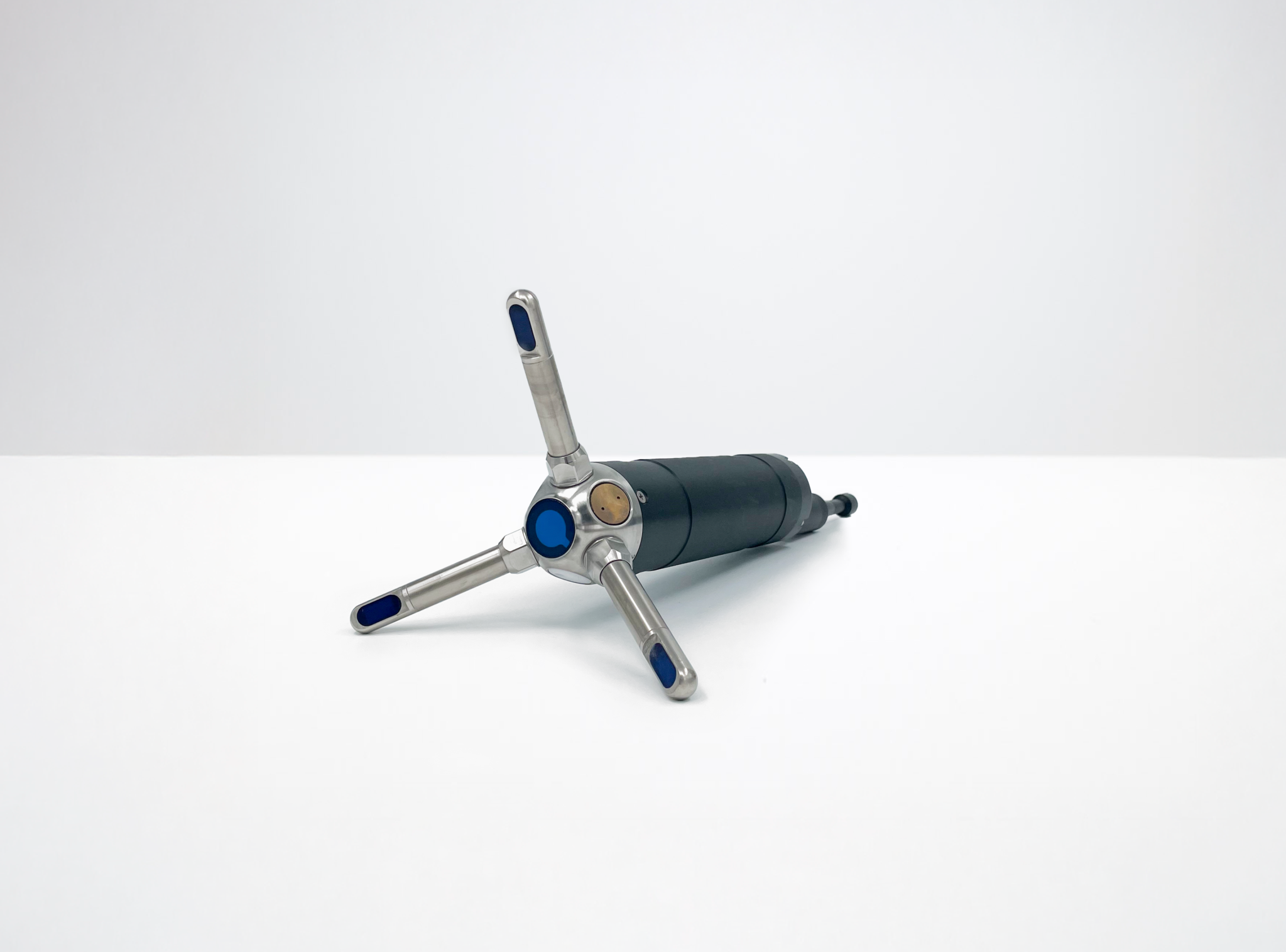
Nortek Vector (Gen 2)
A single-point, high-resolution three-axis velocimeter for rapidly varying flow — turbulence and wave-orbital measurement rather than routine profiling.
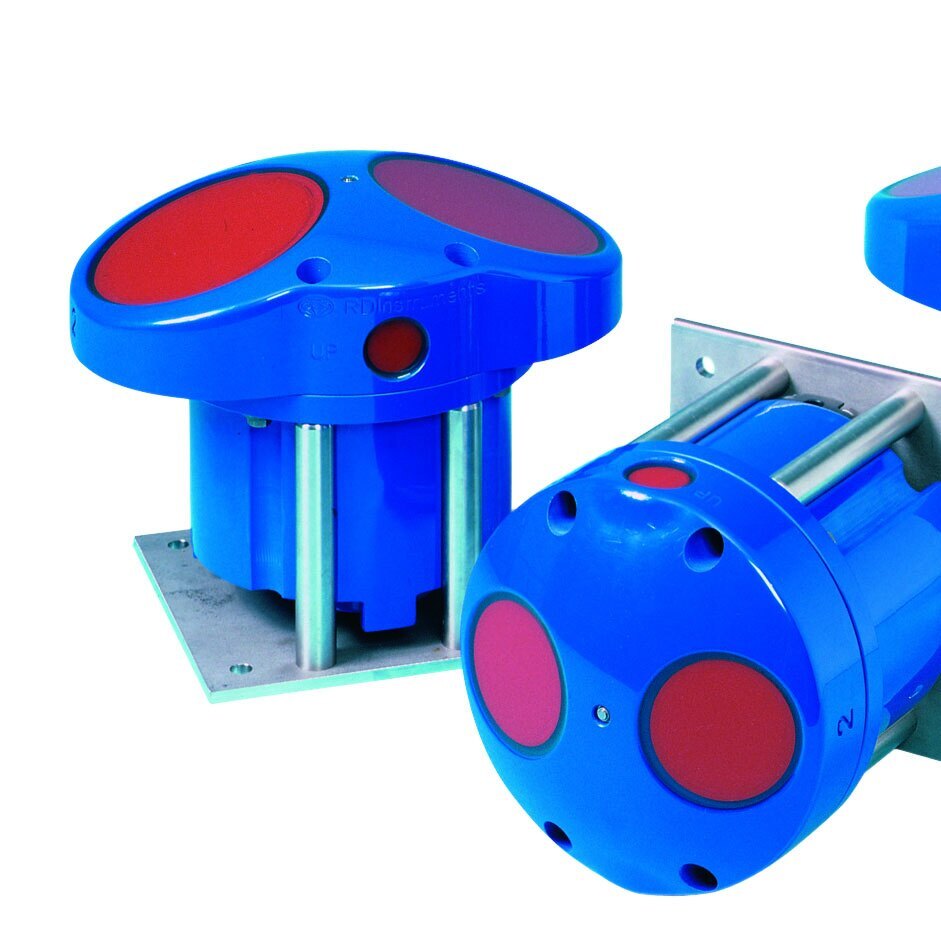
Teledyne RDI CM300
A horizontal acoustic Doppler profiler (H-ADCP) for surface-current measurement across a channel or berth from a fixed structure.
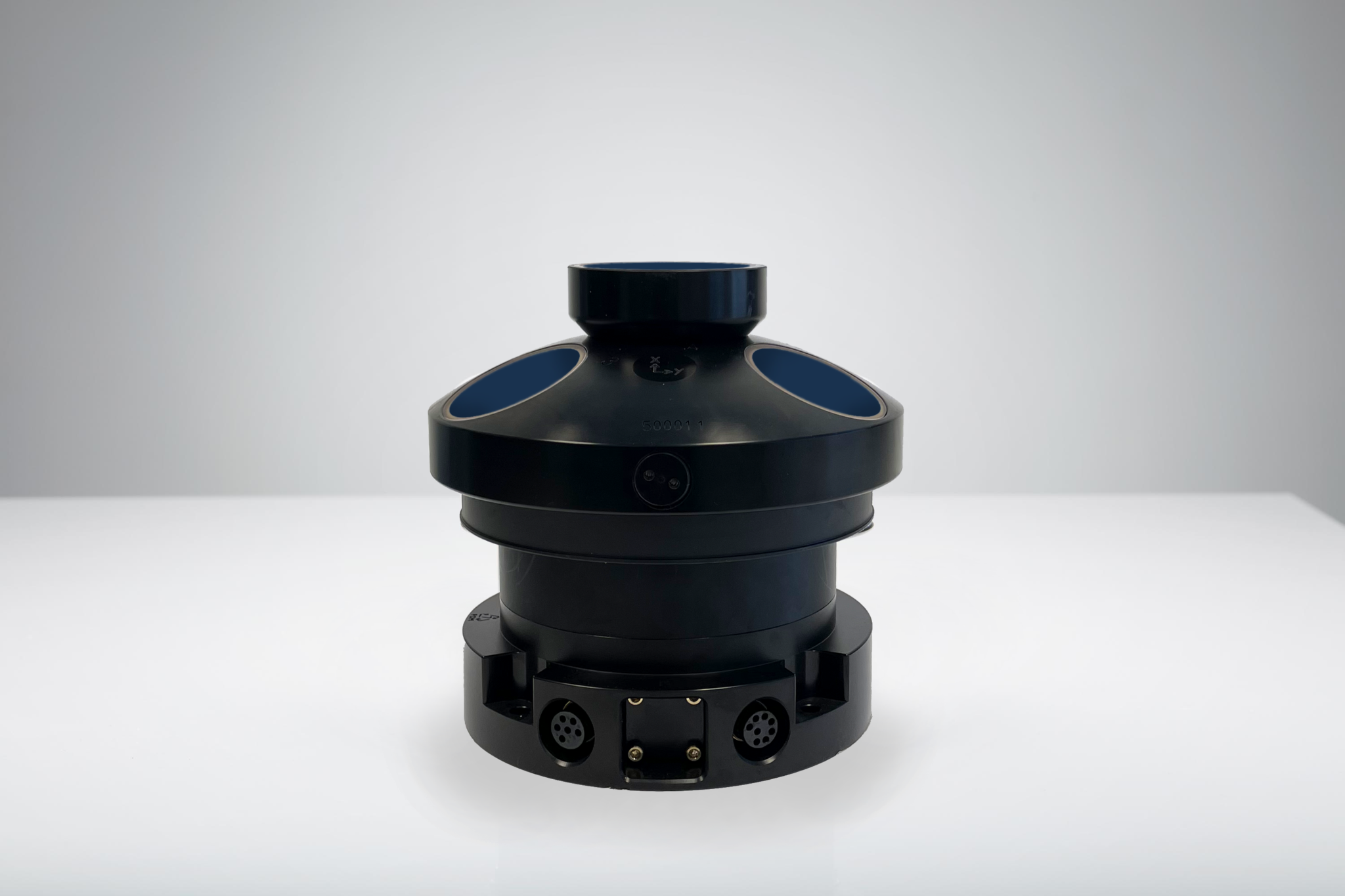
Nortek AWAC
Seabed-mounted acoustic profiler giving directional wave spectra and a current profile from one instrument, in 400 kHz, 600 kHz and 1 MHz versions.
Related
Getting a profiler into the water and back out again is its own piece of engineering — see deployment systems. Several of these instruments measure waves as well as current, and the data feeds an environmental monitoring system. See all sensor types.